The practice of Qi Gong is about cultivating an inner harmony that can permeate the entire body. This is important for developing longevity, maintaining capacity and improving capability. Qi gong is a practice that is very approachable and can be taken up at nearly any stage of life. outward. As inner harmony arises, the state of balance becomes more prominent and is reflected in action and thought.
Tag: Qigong
“Qigong” (Jee-gung) combines two words: “qi, (Jee)” which means “subtle breath” or “vital energy,” and “gong, (gung)” which translates to “skill cultivated through steady practice.” The words, together, describe an age-old practice that harnesses the power of breath, movement, and intention setting to create health and balance within the body
Finding a ‘Best’ Fitness Modality
Improving physical fitness involves various methods of approach. No 'one approach' is superior to another. Consistency in exercising (by utilizing the chosen modality) is a crucial component, The individual('s) goals shape the fitness journey. Choosing enjoyable, practical modalities help to maintain motivation. Regular engagement ensures success.
A U M (OM): M
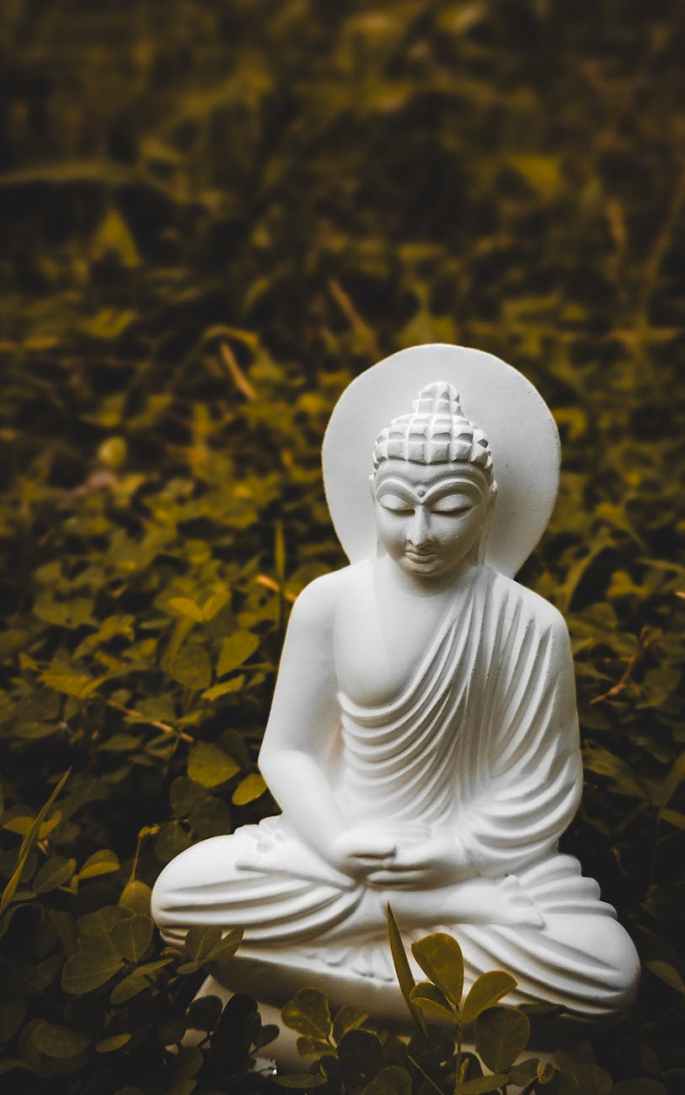
The A-U-M Chant, comprising the sounds A, U, and M, represents the beginning, middle, and end of a cycle, with M symbolizing the deep sleep state and the convergence of self and not self into mutual negation. The M sound gradually leads into silence, allowing for complete release into a void while maintaining awareness. This chant is self-sustaining and indicative of profound stillness. The M represents destruction and dissolution through Shiva and Parvati, who create, sustain, and dissolve the universe in eternal harmony.
A U M (OM): U
The A-U-M (OM) chant encompasses and empowers the psycho-mental make-up of the individual. The 'U' is the state of active unconscious functioning. It is associated with the 'non-self' perception of reality.
Spinal Movements: Rotation
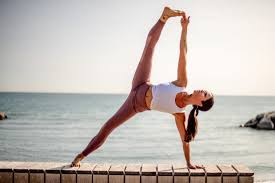
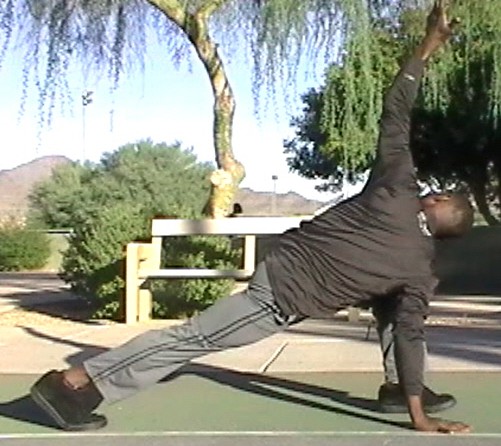
Spinal Rotation is a crucial element of spinal movement. The spine is maximally benefited by correctly training this movement.
Conscious(ly) Breathing
Full Breathing can be developed to a point where it is (almost) automatic
Can you walk A(l)l(one)??
The benefits of supporting your solitary practice. To know yourself is to know your practice. How organizations can bolster your practice. The drawbacks of organized practice. Your practice is a personal journey.
Summer energy is here . . . . .
That is to say that today is a day to be cognizant of change. Every seasonal shift should give us pause to stop and reflect upon our current extant state.
Woo-SAHHH . . .That moment
Then you leave the studio, the ashram, the practice hall, the comfort of your own home. A little perturbation arises. Your spiritual practice is strong: you can do marathon sessions of meditation. Your Qigong practice is not just a series of randomly sequenced set of movements: you feel the energy flowing as you direct it. Your pranayama is expansive, full, focused and complete. The seamless intertwining of Puraka (Inhalation), Abhyantara Khumbaka (Full Inhale Hold), Rechaka (Exhalation), Bahya Khumbaka (Full Exhale Hold) occurs effortlessly. Then you leave the studio, the ashram, the practice hall, the comfort of your own home. A little perturbation arises. Someone does not signal there turn in traffic. The barista does not quite season your latte in the manner to which you have grown accustomed. A child shows disrespect toward the parent (or your child shows disrespect toward you). It is at these times that your practices must be part of your being. You must not allow your mind to wander, to become agitated. . . . You must come (back) to a Woo-SAHH moment.
Energetics of Nude Yoga Practice
Practicing nude yoga assists in achieving deeper spiritual connections. This is due to the enhanced accumulation of cosmic vibration (energy, prana, chi)