
The smoothest path is no guarantee against a broken neck. ~ James Lendall Basford, Seven Seventy Seven Sensations


Injuries, as related to fitness, are damage or harm to tissues caused by mechanical forces exceeding the body’s load tolerance, resulting in structural damage or functional impairment.
The smoothest path is no guarantee against a broken neck. ~ James Lendall Basford, Seven Seventy Seven Sensations
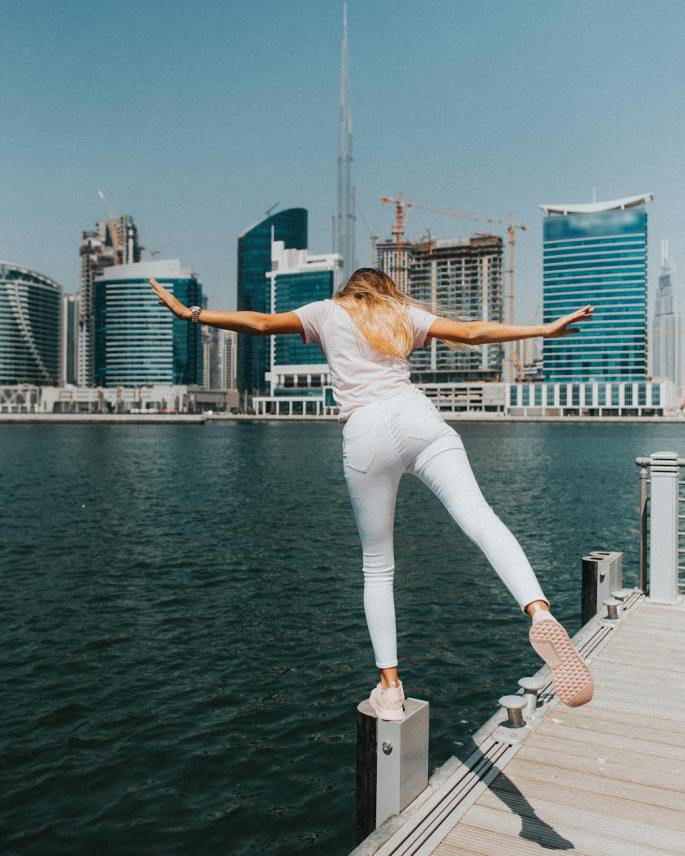
Ankle injuries, prevalent in sports and daily life, are often overlooked until post injury, rehabilitation becomes mandatory. Stabilizing therapies may fail to fully engage foot proprioceptors. Thus Innovative methods, including wobbleboard exercises, can enhance ankle proprioception and help to rehabilitate or prevent injuries. Identifying risk factors for ankle instability and promoting appropriate training modalities can be effective strategies for prevention and recovery.

The book 'The Modern Art and Science of Mobility' discusses maintaining functional movement and addressing pain, particularly from trigger points. Techniques like self-massage are emphasized for pain relief and recovery. The importance of a multi-faceted approach to combat pain and improve movement efficiency is presented and promoted in the volume

Physical fitness is not only one of the most important keys to a healthy body, it is the basis of dynamic and creative intellectual activity. John F. Kennedy

Take care of your body. It's the only place you have to live. Jim Rohn

The posterior arm chain plays a vital role in arm and shoulder stability, posture, and breathing. Modern sedentary lifestyles lead to posture issues and compromised shoulder functionality, due to laxity in the associated muscle structures Exercises targeting this area. can enhance strength and overall upper body performance.

Physical rehabilitation exercises are essential for post-injury recovery and age-related, physical decline. Consistency in performing them is key to rehabilitation success. While surgery may be necessary for severe injuries, physical therapy often provides a preferable alternative. Regular movement is vital for maintaining functionality, especially in older adults, for promoting independence and preventing falls.
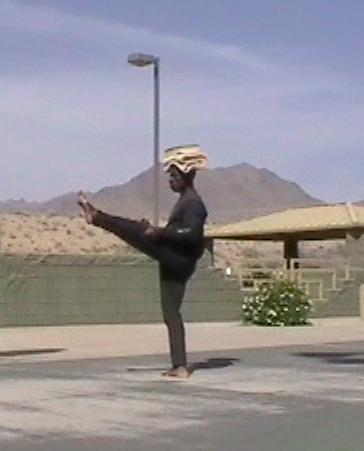
Developing physical aptitude in martial arts relies on consistent practice of basic techniques. Practicing basic techniques enhances neural pathways and fortifies muscle memory. Skill in technique execution often outweighs sheer strength. Thus, mastering fundamentals is essential for advanced performance. Progression requires proper form, feedback, and gradual increase in complexity to ensure proficiency and safety.

Engaging in physical exercise can remodel the brain, enhancing bilateral communication and cognitive function. Practicing martial arts kata promotes ambidexterity, improving resilience and interconnectivity. Research shows movement mitigates aging effects and supports brain health, making a balanced physical approach vital.
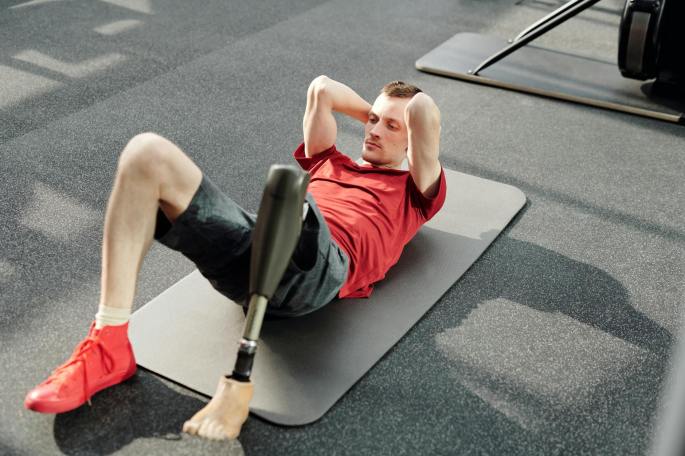
Calisthenics is an effective fitness method that bridges sedentary lifestyles and improved fitness levels. It accommodates various abilities, requires minimal equipment, and can be performed anywhere. Regular practice enhances strength, endurance, and flexibility, making it particularly beneficial for older adults to combat the effects of aging.
 Ab-Sutra Wellness and Fitness