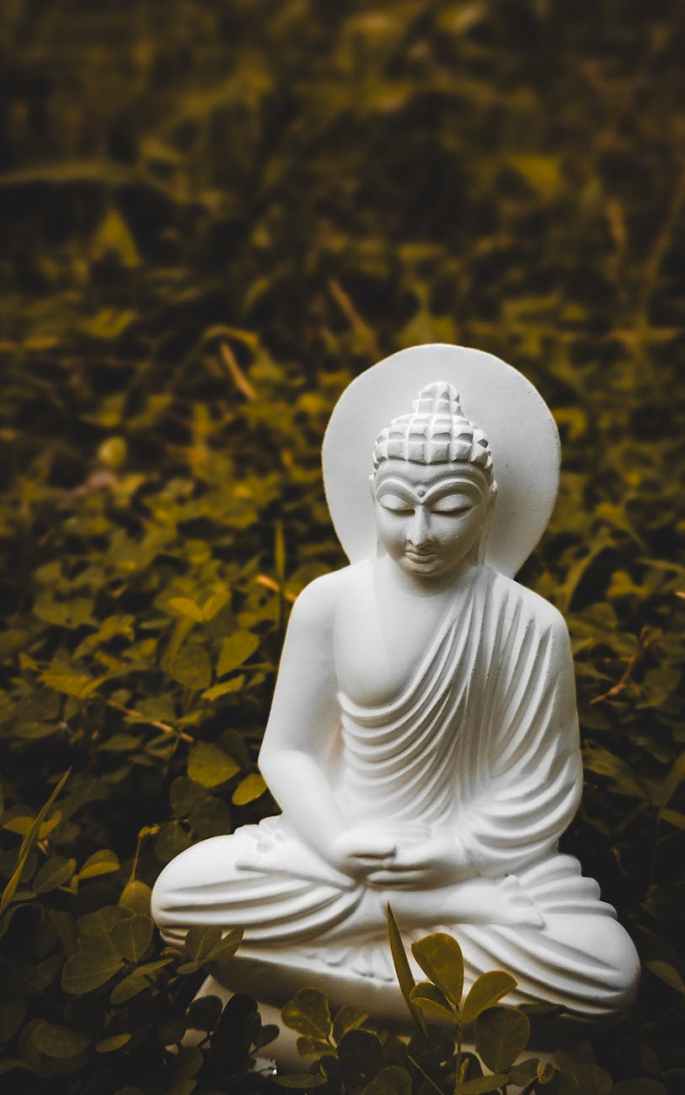
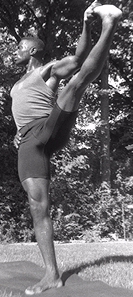
Big Toe Grabbing Pose

Basically Balance . . . .

Balance, essential for bipedal living, is influenced by the visual, vestibular, and proprioceptive systems. Aging can deteriorate these connections, hindering basic movements. Regular balance exercises, such as Uttihita Hasta Padangusthasana, ankle stability, emotional stability, and sensory proprioception. Balance practices, in general, enhance neural pathways that are essential for brain health and overall mobility.
Ankles – Preemptive Conditioning

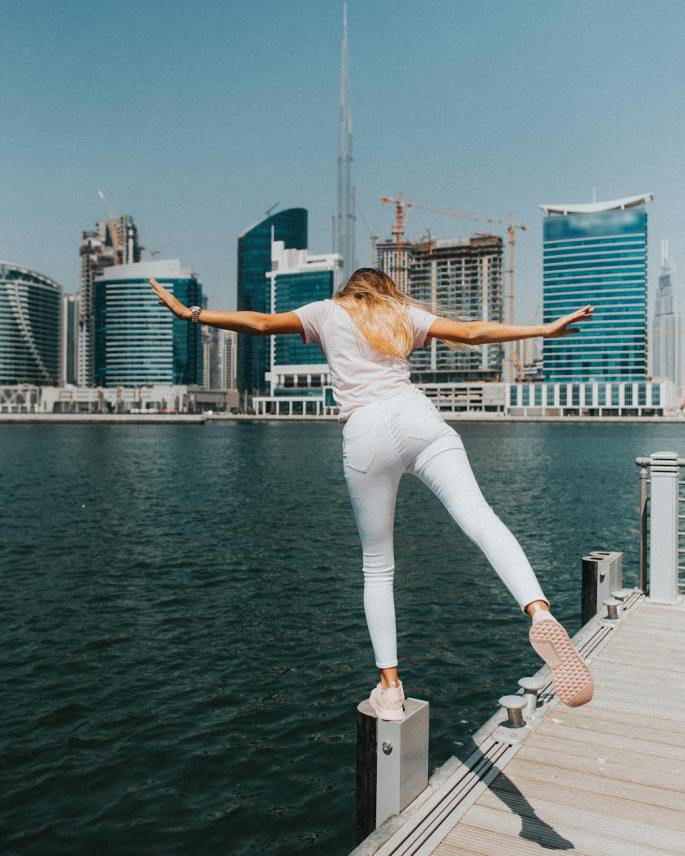
Ankle injuries, prevalent in sports and daily life, are often overlooked until post injury, rehabilitation becomes mandatory. Stabilizing therapies may fail to fully engage foot proprioceptors. Thus Innovative methods, including wobbleboard exercises, can enhance ankle proprioception and help to rehabilitate or prevent injuries. Identifying risk factors for ankle instability and promoting appropriate training modalities can be effective strategies for prevention and recovery.

Seeing

The Quest for Living!!! . . . . .

The content discusses the imbalance in societal values where earning money overshadows personal health and wellness. It emphasizes that while financial stability is necessary, true living involves prioritizing self-care and maintaining mental, physical, and spiritual well-being. The presentation argues for a functional balance between personal wellness and financial obligations.

The Essence of Qi Gong: Cultivating Inner Harmony

The practice of Qi Gong is about cultivating an inner harmony that can permeate the entire body. This is important for developing longevity, maintaining capacity and improving capability. Qi gong is a practice that is very approachable and can be taken up at nearly any stage of life. outward. As inner harmony arises, the state of balance becomes more prominent and is reflected in action and thought.

Benefits of Physical Rehabilitation Exercises

Physical rehabilitation exercises are essential for post-injury recovery and age-related, physical decline. Consistency in performing them is key to rehabilitation success. While surgery may be necessary for severe injuries, physical therapy often provides a preferable alternative. Regular movement is vital for maintaining functionality, especially in older adults, for promoting independence and preventing falls.

These are the directions that the breath can actually extend to throughout the body.

Two sides to the body . . .

Engaging in physical exercise can remodel the brain, enhancing bilateral communication and cognitive function. Practicing martial arts kata promotes ambidexterity, improving resilience and interconnectivity. Research shows movement mitigates aging effects and supports brain health, making a balanced physical approach vital.

From Mundane to Spiritual . . . .

Life's essentials include sleep for recovery, nutrition for body support, sex for reproduction, and fear for survival. Beyond these basics, spiritual awareness can elevate existence, fostering deeper connections and introspection among all beings.

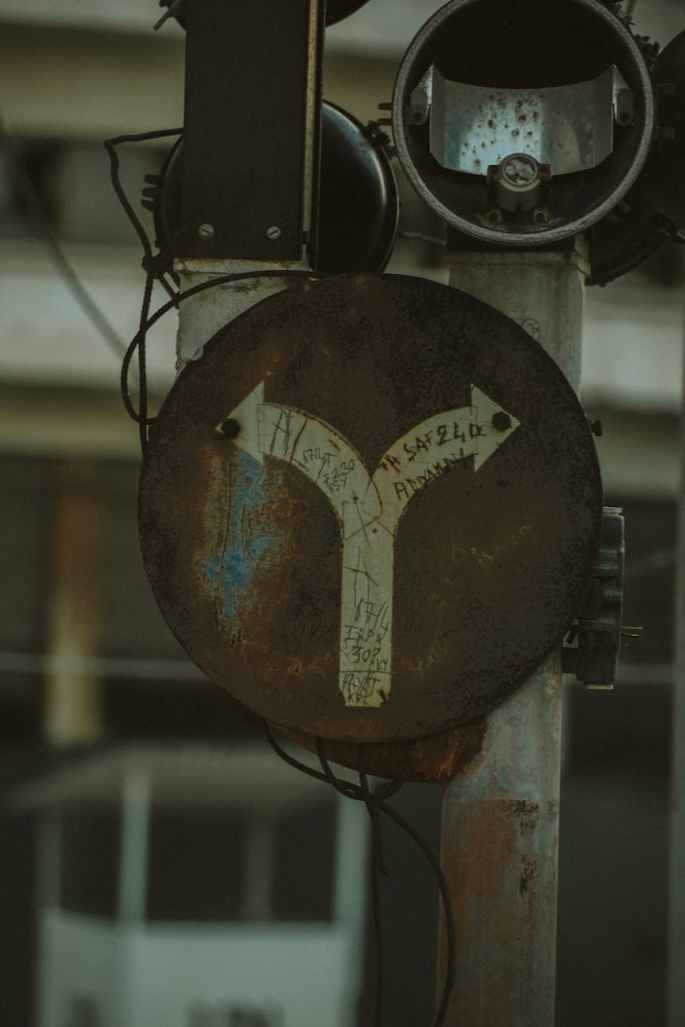
Fork in the road . . . . . decide on a path

Happiness – Contentment

Views on contentment and happiness are formed based upon how life is approached within a society. Input from elders, peers, various external influences, and such are factors into the forming of specific perceptions.

Greed or Please sir, I want MORE

Greed – Excessive desire for getting or having; esp. wealth; desire for more than one needs or deserves; avarice, cupidity. Aparigraha is a Sanskrit word that is often translated as "non-attachment," "non-greed," or "non-possessiveness".  The word is made up of three parts: A: The prefix that negates the word, meaning "non" Graha: Means "to take," "to seize," … Continue reading Greed or Please sir, I want MORE