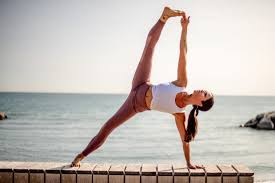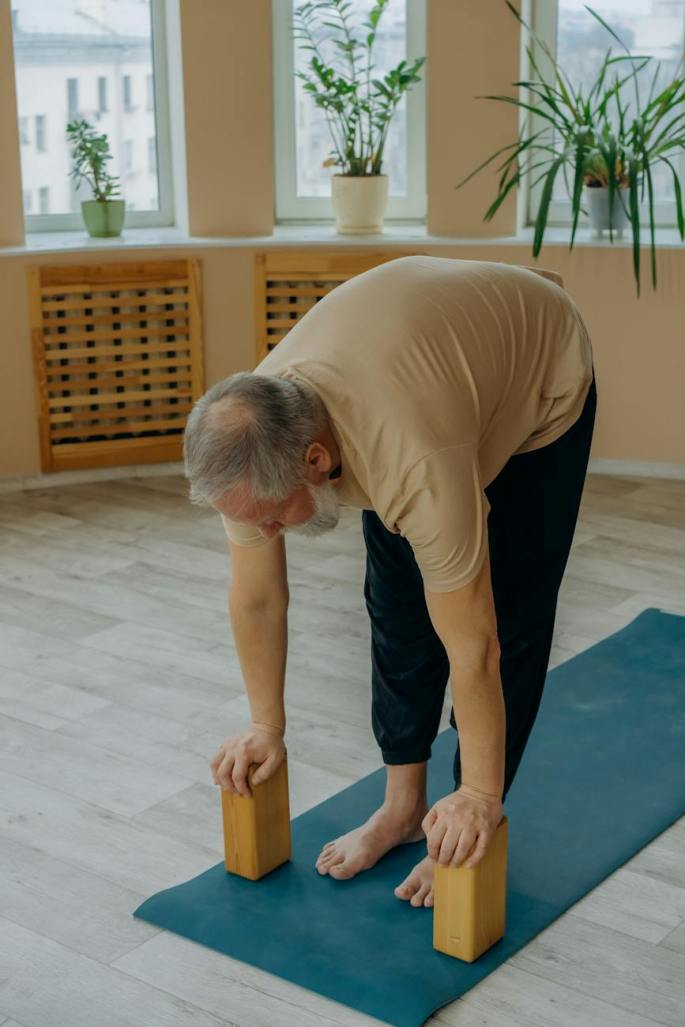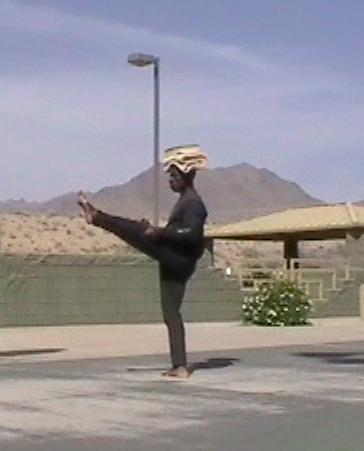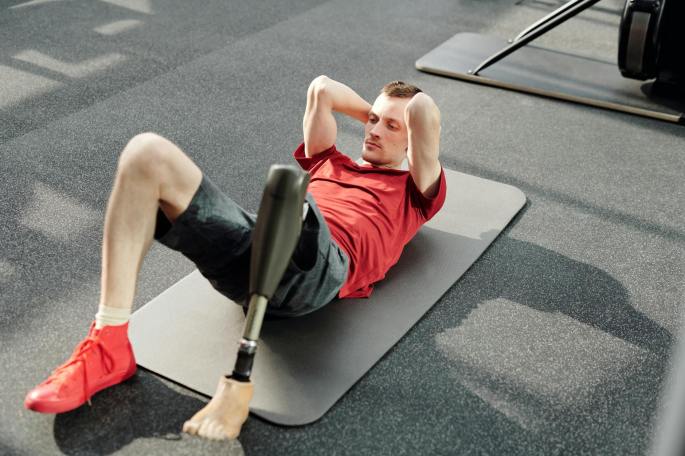
Improving physical fitness involves various methods of approach. No 'one approach' is superior to another. Consistency in exercising (by utilizing the chosen modality) is a crucial component, The individual('s) goals shape the fitness journey. Choosing enjoyable, practical modalities help to maintain motivation. Regular engagement ensures success.
Category: Exercise
Exercise is a type of physical activity that is specifically designed to enhance or maintain one or more components of physical fitness, such as cardiovascular endurance, strength, flexibility, and balance.
Adapting Cycling Habits for Seniors
Older adults should adapt their cycling habits to ensure safety and maintain independence. A Cycling Survey shows increased community support for bike-friendly infrastructure, while older cyclists opt for safer routes, group rides, and advanced safety features to navigate challenges posed by aging.
Expressions: Feb 2025 VIII
“You must do the things you think you cannot do.” ― Eleanor Roosevelt
Night Shift Challenges . . . .
Working night shifts requires individuals, especially older adults, to prioritize self-care. Regular exercise, adequate sleep, and healthy eating are vital for maintaining health. While many maintain daytime sleep schedules on off-days, some benefit from reverting to nighttime sleep, potentially aided by melatonin and minimal alcohol. Regular health exams are essential.
Nothing without basics . . . .
Developing physical aptitude in martial arts relies on consistent practice of basic techniques. Practicing basic techniques enhances neural pathways and fortifies muscle memory. Skill in technique execution often outweighs sheer strength. Thus, mastering fundamentals is essential for advanced performance. Progression requires proper form, feedback, and gradual increase in complexity to ensure proficiency and safety.
Two sides to the body . . .
Engaging in physical exercise can remodel the brain, enhancing bilateral communication and cognitive function. Practicing martial arts kata promotes ambidexterity, improving resilience and interconnectivity. Research shows movement mitigates aging effects and supports brain health, making a balanced physical approach vital.
Spinal Twist: Do or do not . . .
Rotational Training enhances health and physical function by addressing spinal mobility. Spinal mobility is often overlooked in typical workout routines. Incorporating exercises like the Standing Russian Twist with TRX Bands promotes flexibility, prevents injuries, and strengthens core stability and improves spinal mobilization. These qualities are essential for athletic endeavors and daily activities.
Exercise . . . between commercial breaks . . .
Calisthenics is an effective fitness method that bridges sedentary lifestyles and improved fitness levels. It accommodates various abilities, requires minimal equipment, and can be performed anywhere. Regular practice enhances strength, endurance, and flexibility, making it particularly beneficial for older adults to combat the effects of aging.
Swimming, for me, . . . is . . .
The author reflects on their weekly swimming sessions, highlighting the numerous health benefits of aquatic exercise. Despite initial reluctance, swimming becomes a fulfilling spiritual and physical activity that enhances overall well-being and accessibility for all individuals.
Doctors and Modern Healthcare
Medical training emphasizes symptom treatment, often influenced by pharmaceutical funding, leading to cycles of dependency on quick relief rather than addressing root causes. Some doctors advocate for holistic approaches, aiming to provide well-rounded healthcare by considering patients' overall well-being and preventative measures.