Healthcare . . . . is not . . . . .

Health is a choice, generally speaking. Yet, in a society that is rife with unhealthy food choices, demands on finances, and a healthcare system that is marginal at best, many struggle to sustain adequate health and wellness. It is up to each person to do what they can in the maintenance of their health and functionality.

Flowing

Spiritual Attunement as Exercise

The vital connection between physical health and spiritual well-being cannot be over-emphasized. Individuals, by caring for their bodies through proper nutrition, rest, and exercise, by default, express their spiritual nature. Neglect or overindulgence can lead to illness, while balanced self-care fosters harmony between spirit and matter, enhancing life's experiences and spiritual connectivity.

Seeing

The Quest for Living!!! . . . . .

The content discusses the imbalance in societal values where earning money overshadows personal health and wellness. It emphasizes that while financial stability is necessary, true living involves prioritizing self-care and maintaining mental, physical, and spiritual well-being. The presentation argues for a functional balance between personal wellness and financial obligations.

Building Societal Harmony Through Cooperation

Honestly relating and collaborating during challenges reveal human similarities. This can foster mutual support. Helping others not only alleviates distress but also strengthens societal connections. Emphasizing cooperation over isolation promotes harmony, as seen in historical contexts like Buxton, Iowa, illustrating the benefits of communal aid and understanding.

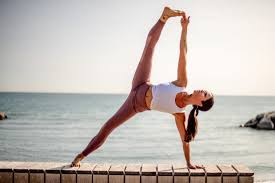
Yoga Arm Balances

Finding a ‘Best’ Fitness Modality

Improving physical fitness involves various methods of approach. No 'one approach' is superior to another. Consistency in exercising (by utilizing the chosen modality) is a crucial component, The individual('s) goals shape the fitness journey. Choosing enjoyable, practical modalities help to maintain motivation. Regular engagement ensures success.

Benefits of Physical Rehabilitation Exercises

Physical rehabilitation exercises are essential for post-injury recovery and age-related, physical decline. Consistency in performing them is key to rehabilitation success. While surgery may be necessary for severe injuries, physical therapy often provides a preferable alternative. Regular movement is vital for maintaining functionality, especially in older adults, for promoting independence and preventing falls.

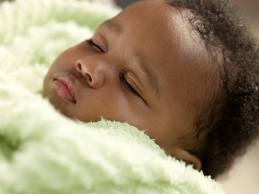
a sleeping baby

Night Shift Challenges . . . .

Working night shifts requires individuals, especially older adults, to prioritize self-care. Regular exercise, adequate sleep, and healthy eating are vital for maintaining health. While many maintain daytime sleep schedules on off-days, some benefit from reverting to nighttime sleep, potentially aided by melatonin and minimal alcohol. Regular health exams are essential.

Finding (Your) Inner Calm

Traffic provides an opportunity to cultivate inner calm by shifting focus from external distractions to self-awareness. Embracing stillness through breath awareness can mitigate stress, offering a path to inner peace amidst the fast-paced, often overwhelming demands of modern life.

These are the directions that the breath can actually extend to throughout the body.

Two sides to the body . . .

Engaging in physical exercise can remodel the brain, enhancing bilateral communication and cognitive function. Practicing martial arts kata promotes ambidexterity, improving resilience and interconnectivity. Research shows movement mitigates aging effects and supports brain health, making a balanced physical approach vital.

The EGO and Free Will (a perspective)

The relationship between ego and free will is intricate. Ego establishes individuality necessary for decision-making while also creating a sense of separation. Navigating life entails balancing ego's role with the necessity for choices, which reflect one's free will even within defined parameters.