

World Back Day – October 16
For many who work in an office environment, the day to day, mundane routine is at the root of most back problems. Hunching over computer keyboards can contribute to lower back stiffness and pain, and neck challenges. Looking downward at a cell phone screen is also contributory to neck, shoulder and back issues. Office workers sit for hours at time, and engage in very little movement. This creates a situation where the muscles are not being sufficiently or effectively engaged.
Employment requiring movement is beneficial in that the body cannot remain sedentary. There will be some sub-optimal posture adherence but some movement is certainly better than none. A body in motion is not acquiescing to the negative effects of sitting all day. Excessive sitting is a relatively new problematic in human history. 90% of the world lived in agricultural communities a couple of centuries hence. People sat only to take breaks from working, three to five hours per day at most. Modern Americans sit Currently, 13 to 15 hours per day of sitting is normal for many in the United States.

Using backless seats (benches, coolers, etc) lends to improving postural alignment. Proper posture receives scant regard due largely to employment situations where sitting is the norm. Sitting in this fashion is an effective way to place good habits into a routine. Sitting upright aligns the spinal structures to promote functional arrangement of the internal organs, complete engagement of the diaphragm, reduced strain of the muscles, joints and ligaments in the spine. One item that can help improve posture but does not receive much publicity is the stability ball. Stability balls, also known as exercise balls or Swiss balls, can help improve posture and core control when used correctly
Regular health (i. e. fitness) activities are necessary for maintaining adequate levels of muscle tone. A sedentary lifestyle detracts from the ability of the postural musculature to perform the prescribed, supportive functions. Extended periods of sitting also compromise the nervous system. Exercise and movement will develop and maintain muscular strength and tone. This will complementarily effect active sitting will. Compromised posture impede nervous system functioning by inducing or impacting:
Pain: Poor posture can lead to painful conditions such as back pain and headaches.
Blood flow: Poor posture can reduce blood flow to the brain.
Sensory processing: Poor posture can alter sensory processing.
Stress: Poor posture can create stress on the nervous system, which can lead to attention disorders, sleep issues, and weight gain. ,
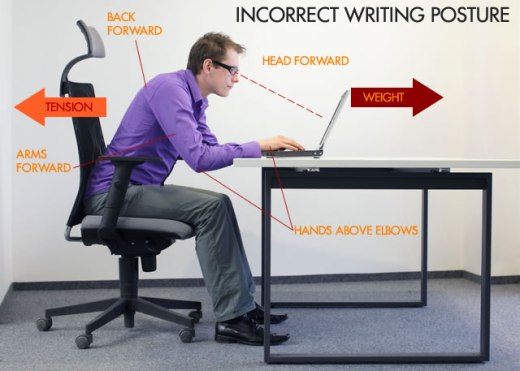
According to Tim Hutchful from the British Chiropractic Association: “A survey that was taken has highlighted what we chiropractors have known for some time. Lack of exercise and sedentary lifestyle is taking its toll. It is assumed that those most at risk from back pain are the ones who have very physical jobs however, as this research has unveiled, whilst lifting and carrying are still common triggers for back pain, it is those with less physically demanding jobs and who are often seated for the majority of the day that could be most prone to back problems.”
The incidence of back pain displays an increasing over the past few years. Sitting actively or dynamically can facilitate good core engagement and assist in lessening the occurrence of back pain. The majority of people sit poorly. The act of inattentive sitting becomes habitual. One knows that they will be sitting but they sit in ways that do not support physiological integrity. The core is not engaged which places unbalanced demand on the back musculature. Engaged sitting may appear (to be) weirdly stiff and uncomfortable. Yet the advantages reaped from sitting thusly will pay huge dividends as time passes.
Stimulating core (musculature) tonus is integral to developing postural integrity. Back pain, as is loosely associated with compromised posture, can be addressed through directed and purposeful activities. The activities such as Yoga, Pilates, Tai Chi, are often listed as go to modalities for better posture. This is because a KEY tenet of these practice is posture and breathing. Focused practicing of meditative sitting and pranayama practice are also good options for can also increase awareness of alignment while seated, leading to improved posture. Exercise, with attention to postural alignment, in general, is helpful as well.
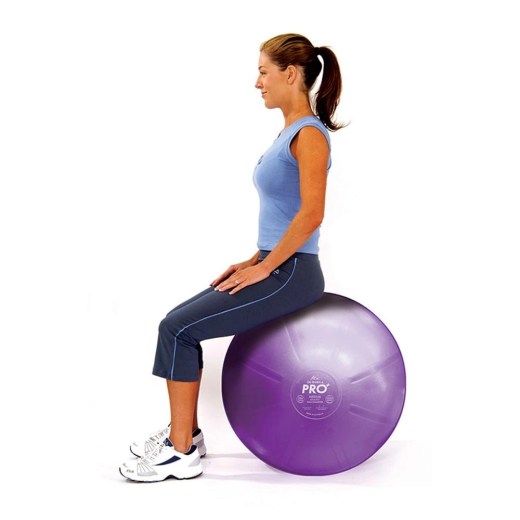
I employ sitting, in an active and dynamic manner, as a tool in the arsenal of supporting good posture and avoiding back pain. I would like to think that my efforts have provided me with good degree of postural integrity. I do exercise, for certain. My employment does provide some opportunity for extended periods of sitting. I make the most of those times by maintaining awareness of my position, spinal alignment and breathing.
I trust that this recently past 16 October 2024 was a good day for you all. Whether or not it was on your radar, you hopefully, will take cues from the observance of that ‘World Spine Day, and from this article, and bring awareness to how you a sitting.
 Ab-Sutra Wellness and Fitness