

In the book ‘The Modern Art and Science of Mobility’, an approachable format is presented for maintaining functional movement capability. For fluid movement to occur, pain is an issue that must be addressed. The pain will resolve itself if delayed onset muscle soreness (known as DOMS) is the reason. Other pain that is noticeably discomforting during movement may have more than one underlying cause. Trigger points are sensitive locations that develop typically from injury, stress, metabolic imbalances, and muscle overuse. One must directly target the point with specific modalities to incrementally help the tissue to heal and dissipate the pain. Self Massage is an easily accessible technique. It can be performed in any comfortable, personal space. The effectiveness of self massage as a stand alone therapy does not have to preclude it being combined with other techniques. Combatting pain is a continual pursuit. The aging body. Regular exercise. Improper body mechanics. Modern conveniences. All of these can contribute to the need for a multi-faceted approach to dealing with pain.
Pain
Pain and Movement – Movement efficiency is impacted by the influence of pain. on neuromuscular efficacy. The long term influence of painful effects are decreased activity of the deep and postural muscles. This situation devolves to a state of muscular disconnection from the effective pathways, resulting in atrophy and difficult rehabilitation. It is difficult to perform regular activity when pain is a factor in the equation. Yet, many choose to be suboptimally active in the presence of challenging neuromuscular difficulty.
Movement is a necessity of living. It is not possible to accomplish many thing in the absence of movement. The body is designed for movement. It has not significantly altered throughout the years. Modern lifestyles are not supportive of the body and the ways that it is designed. Lack of activity along with modern positioning and convenience (chairs, cars, escalators, elevators, etc) contribute to muscular imbalances that can lead to or contribute to pain.
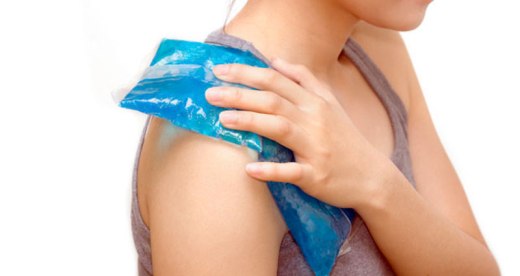
Trigger Points – trigger points are (small) areas of muscle that form adhesions. These adhesions are small knots of muscle that can cause pain to radiate when they are disturbed or ‘triggered’. They cause alterations in posture, of movement to maintain functional levels of movement or activity. Different types of trigger points have been described, the main two being active and latent trigger points (Travell & Simons 1999). A latent trigger point is one that results in some dysfunction, normally stiffness or movement restriction: unless touched, it is not normally painful. An active trigger point can also cause dysfunction but with the addition of pain.
Trigger points, also called muscle knots, can be caused by a variety of factors including muscle overuse, trauma, poor posture, and nutritional deficiencies. Sustained or repetitive muscle contractions, eccentric muscle contractions, and even low-level muscle contractions can contribute to trigger point development. Additionally, stress, dehydration, and even certain nerve root problems can play a role. Trigger point alleviation requires ‘direct attention’. The only way to lessen the intensity of the discomfort is to utilize a modality that brings it (the discomfort) to the fore. That will provide the feedback that informs one that the therapy is giving correct focus to the target area.
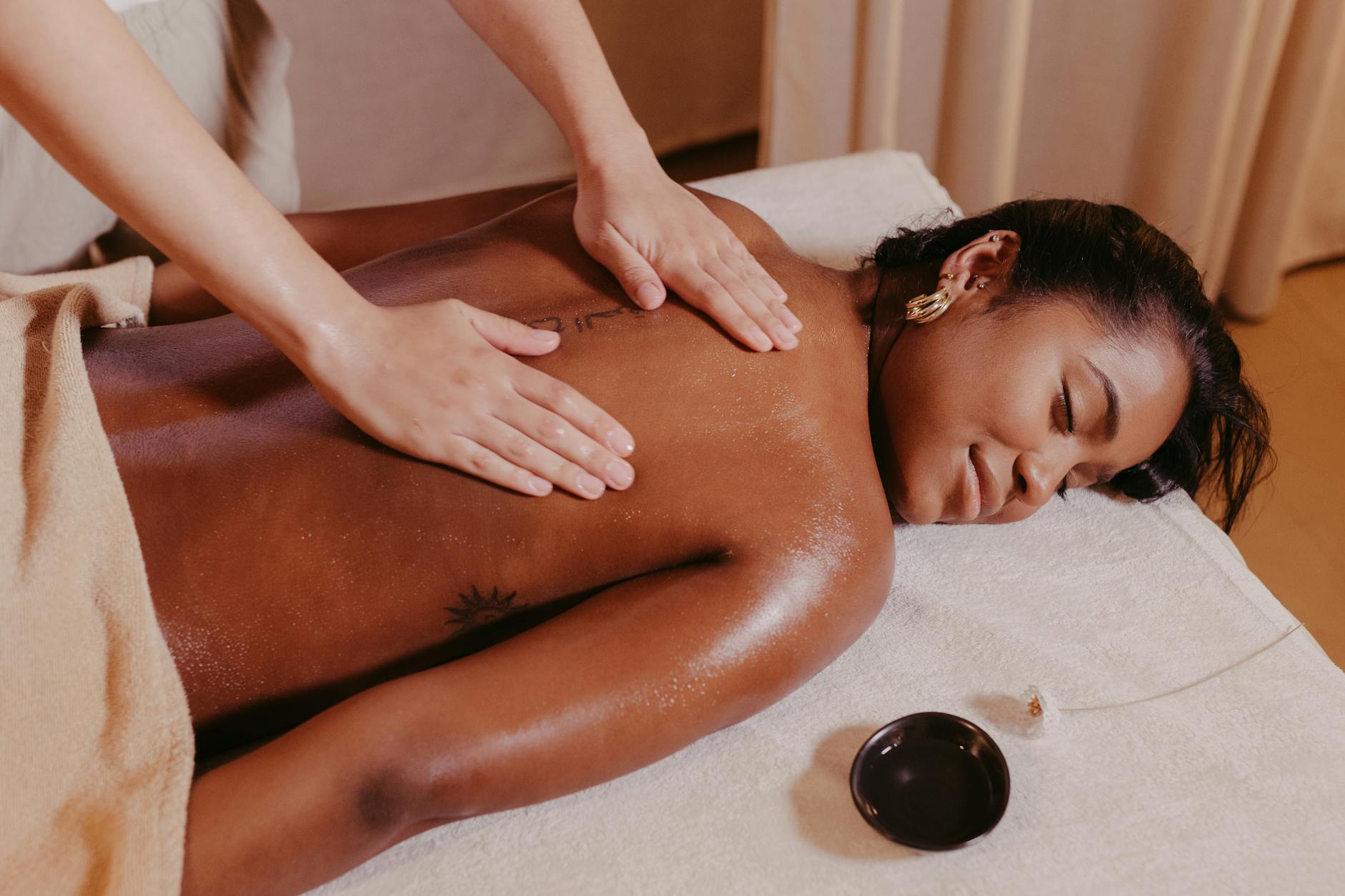
Self Massage – This is an effective modality for relieving tension in the myofascial chain. Using self massage positively impacts recovery time, movement, warm-ups and pain. Most people are not affluent enough to have caretakers for the maladies that they encounter. There are different degrees of massage that can be applied to the body based on the various types of activity to be undertaken. Self massage can be used to re-establish / establish functional movement patterns, but may need to be a ‘bit’ invasive. Self massage can be combined with warm up to improve ROM and muscle contraction strength.
It may not be as relaxing as a traditional massage. Yet, self massage can provide direct access to any problem areas with which one may dealing. It is a DIY apprioach to massage that allows individuals, themselves, to address muscle soreness, stiffness, and discomfort. If there is an area that would benefit from extra therapeutic attention, self massage can provide added exposure time for that specific area
Combatting pain – Addressing painful areas involves processes that lead to them being alleviated. Combatting pain is a methodically, incremental undertaking. Focusing on a specific area (or specific areas) with a multi-faceted approach is instrumental to recovering good movement. For example, the efficacy of massage can be augmented / enhanced through combination with other therapies. Pain can be an indication of muscular imbalance / postural compromise. Techniques are available that can help alleviate pain and correct postural imbalance and thus, restore more functional movement.

Good, pain-free movement is beneficial and facilitates functionality. Activity and aging bring about some bodily processes that are physically challenging. Musculo-skeletal challenges result from extensive use, unbalance movement patterns, compromised posture, Sometimes, more that one issue is presented. Also, these several issues could be related. The nature of these interrelated painful areas are going to be more responsive to a multi-modality, therapeutic approach. The use of a multi-faceted modality strategy stems from recognizing that pain is an experiential complex influenced by social, psychological, as well as physical factors. There is strength in numbers, so to speak.
Pain does not have to hinder functional bodily movement. The body is designed to move. Incurring pain mandates that treatment(s) be implemented to allay those pain facilitated effects. Rest and recovery are the main avenues for handling pain. Yet, some pain does require that other modalities be utilized to assist with the recovery process.
Be fit. Be ageless. Be YOU.
 Ab-Sutra Wellness and Fitness