
The brain can be (re)modelled\ by use of modalities involving physical exercise. Even the aging brain can be re-wired when conscious effort is put forth for that task. One method for accomplishing this is to develop physical bi-laterality. To be even handed / footed is to contribute to developing bilateral, neurologic complementarity. There are neurological benefits to establishing bi-lateral, hemispheric continuity in the brain. The brain can adapt to capably executing various tasks with either side, if need be. One sided approaches to physical activities do provide ease of functionality. Society is awash with individuals who exclusively use the predominant side. Yet, bi-lateral, hemispheric brain re-modelling, through the application of kata, could as a useful modality in making the brain more resilient. Movement patterns require specific neural pathways that can be repatterned to the other side.

The trope that resisting the process (of aging) is an exercise in futility is proven to be a falsehood. That movement enhances brain function is substantiated by research. Movement is life. Movement is initiated and sustained by brain activity. As the brain is beneficial to the body, the body is correspondingly beneficial to the brain. Engaging in (aerobic) exercise is the impetus for white matter volume increase in the corpus callosum. This improves integrity of white matter fiber tracts which facilitates faster communication between brain hemispheres. In healthy brains, exercise is a mitigating factor against corpus callosum breakdown and it helps maintain cognitive function. Anaerobic activity is also beneficial to brain function.
Performing processes evenly on both sides of the body (the brain) can establish a deeper level of bi-lateral communication. For surgeons, there has been an expressed need for developing the inherent bi-dimensionality of the brain. Forgoing any possible mishap that could befall someone, a solid alternative plan b, involving re-modeling the brain, would be a positive step towards transitioning from more dominant hand usage to that of using the less dominant hand. Research suggests that more likely recovery from a stroke may potentially be associated with even-handedness, or not having a strongly dominant hand, when compared to individuals with strong, single hand dominance.

Stimulating the inherent plasticity of the brain enhances the neural composition of that region. It may be that physical exercise provides increased amounts oxygenated blood to the neural circuitry. This could factor into the enhancing of multiple exercise-mediated physiological mechanisms underpinning neuroprotective and neuroplastic processes in brain structures. Studies of the brain reveal increases in Brain Corpus Callosum (the left \ right hemisphere junction)) white matter density. This indicates improved interbrain connectivity. These observed changes are signs of healthier brain tissue and potentially better cognitive function.
The ease of navigating the world through a one-sided approach to physical actions provides continuity . . . on a limited level. The world is designed to cater to a predominant side; the right hand dominates for most individuals. For left handed people the art of adjusting to such a society becomes secondary nature. This does involve, for left hand dominance, developing, to a greater or lesser degree, some bi-laterality. There are situations where the use of the non-dominant hand (i..e. accidents, surgeries, etc) is irrevocably imposed upon an individual, at least for the interim of the causative event and conclusion of the healing. Although one may be dominant hand oriented, ambidexterity can be of definite benefit.
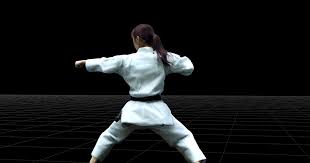
Martial arts kata is a great modality for developing bi-lateral, hemispheric communication in the brain. Performing kata on both sides of the body” means practicing a the sequence by executing each movement with both your left and right side. From bi-lateral mirroring of the movements, kinesthetic balance is developed and reinforced. The technique is refined across both sides. For me, In “The Tao of Tai Chi Chuan: Way to Rejuvenation”, a quote from a book by Chen Yen Lin (1920’s) is presented. He states, “Next, practice the whole set of forms from the left side using the opposite hands and feet for every one of the original postures. For example, the left hand and left leg would be used for the right hand and right leg.”1 In considering hemispheric balance within the brain, it makes sense to practice movements equally on both sides of the body, particularly in fighting arts. In fact to practice kata starting from the opposite side could provide you with a way to equal out your own natural inclination to favor a right or left side bias.
To forestall, inhibit, or curtail brain deterioration requires that one maintain a consistent, physical activity level. Being more even handed stimulates neural fibers which facilitates better resilience. Training the brain through physical activity can definitely develop better brain interconnectivity. Society is designed in a manner that is physically limiting in that it caters to a dominant side, usually the right side. Martial Arts Kata (forms) is an physical exercise modality that can be used to enhance bi-lateral, brain interconnectivity.
Get out and make the body move.
1. The Tao of Tai Chi Chuan: Way to Rejuvenation”, Jou, Tsung Hwa, 1981, p. 218
 Ab-Sutra Wellness and Fitness
Greetings,
So, you have added this article to your website???