
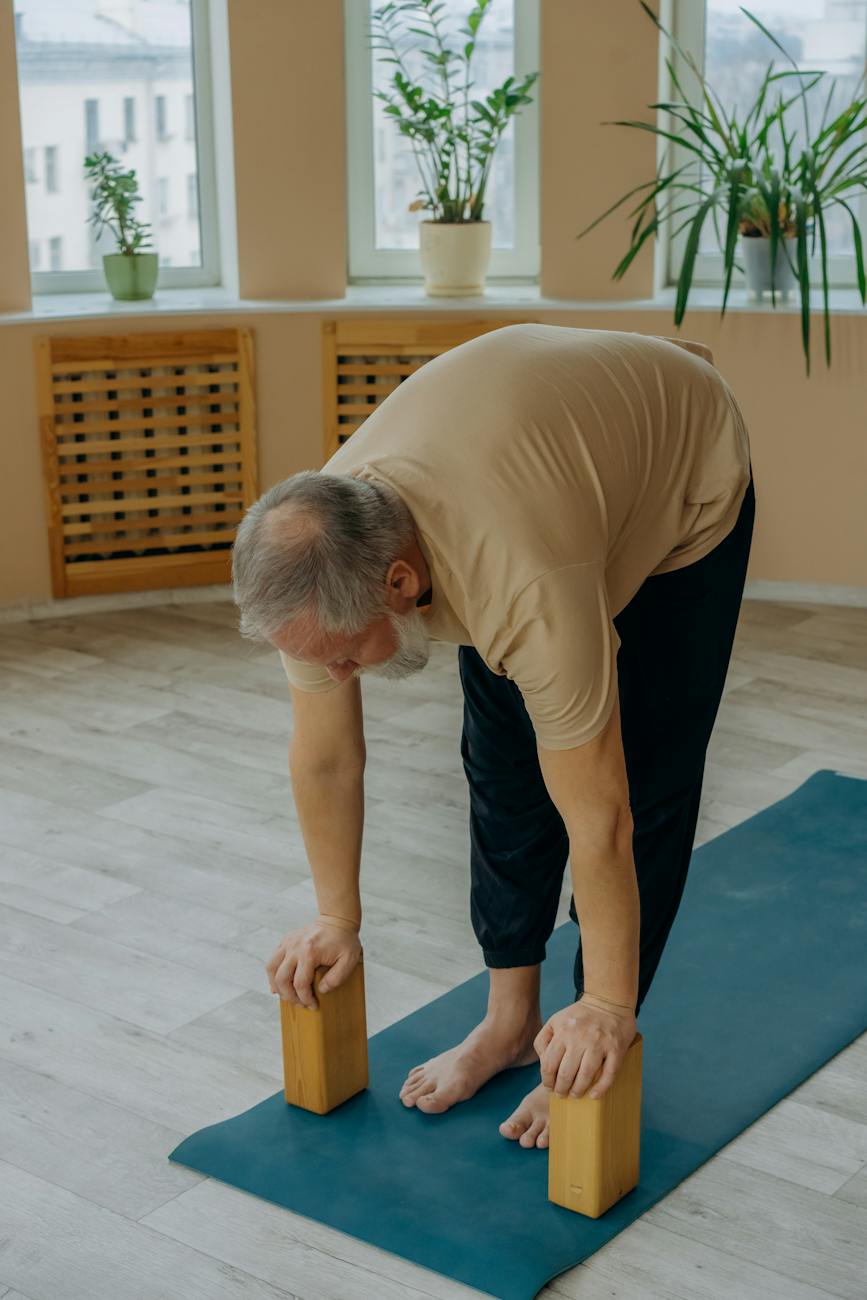
Forward flexion is critical to and useful for day to day functioning. It involves the front part of the body (anterior) and can be approached by bending at the waist or at the hips. This spinal movement stabilizes the body when reaching overhead and back. Fitness endeavors are used to enhance the anterior aesthetic, a pursuit that is either practical, physical, or both. The list of forward flexion exercises of movements and concomitant enhancing movements is not exhaustive.

The day begins with some type of spinal flexion movement. The lumbar spine, in particular, is integral to this motion. This area support the weight of the upper body. It allows for a wide range of body motions. From arising from the bed to bending over to put on slippers or socks. This motion can help to relieve lower back discomfort. To retrieve something by reaching down to the left, or right, requires flexion.
The muscles involved in spinal flexion include the erector spinae, transversospinalis, and abdominal muscles 1. The erector spinae muscles are responsible for maintaining an upright posture and controlling movements such as bending and twisting. The transversospinalis muscles are responsible for controlling fine movements of the spine, including rotation and extension. Abdominal muscles, to include the rectus abdominis and obliques, are essential for spinal stability and core strength 1.
The purpose of flexion is to help keep the body upright by preventing one from falling backward, basically. Gravity affects the body in all directions. Walking, for example, is controlled falling. In the absence of a functioning system of balance, one could easily fall in any direction. To reach directly overhead (extend the spine, bend backwards) requires that the body stabilize in flexion.
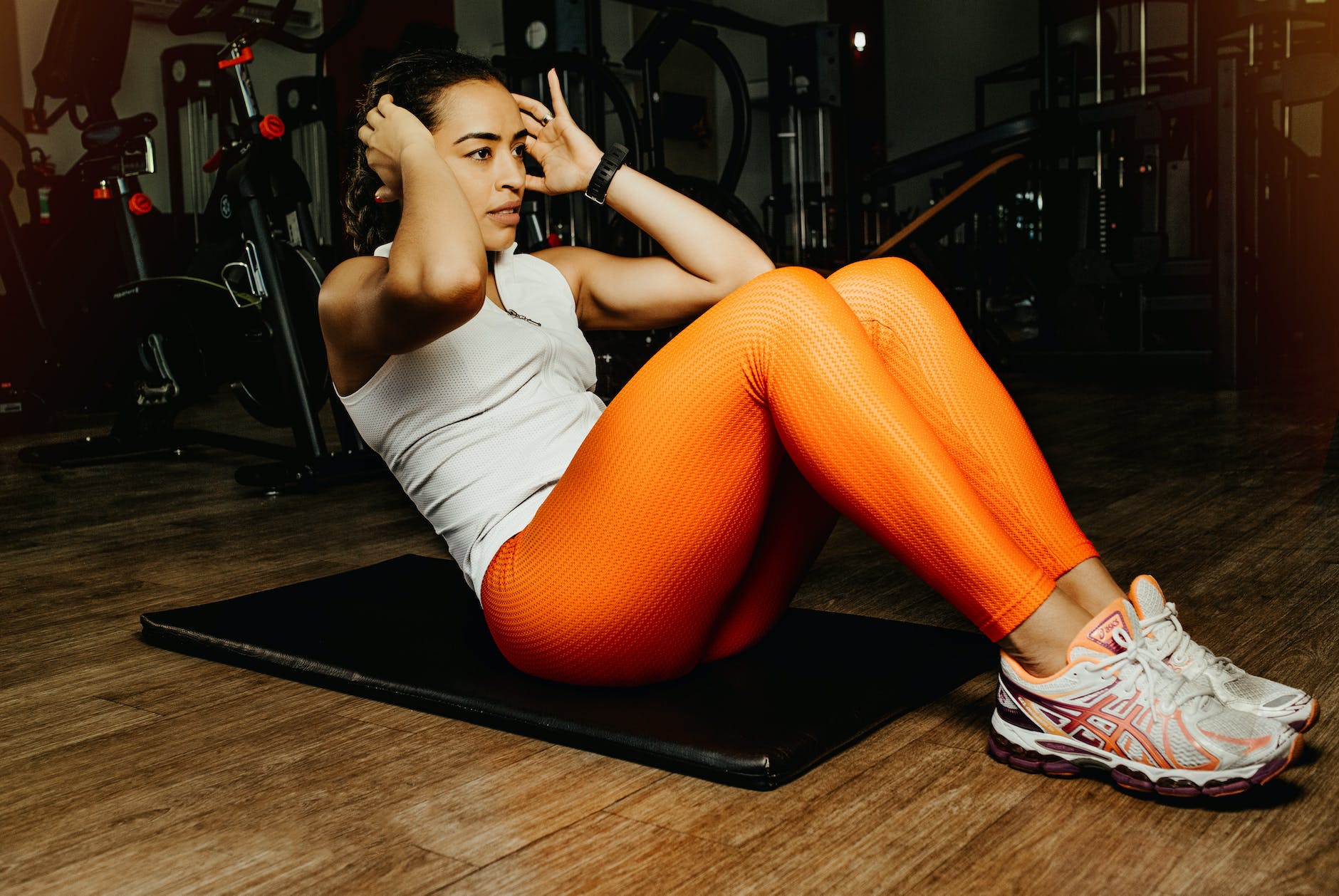
Most fitness programs, personal or group, utilize some type of anterior torso training. Having a strong core is very important to overall physical strength and body functionality. It is a visible aspect of the body; thus, many train this area for aesthetic reasons. The 6 pak. The eight pak. The flat stomach. Yet there are the individuals who train for sundry fitness endeavors. Stong abdominals, for these types, is a must.

Exercises for spinal flexion are designed mostly around the sit-up type motion. There are other movements that support and enhance flexion. Various types of crunch movement are supportive of flexion. Strong Man Atlas Stone Lifting, Tire Flipping, and Sledge Hammer Swings also are good variations for enhancing spinal flexion. Working on achieving (yoga) standing or seated forward bends also are excellent ways to attain similar results. Of course, any exercise related endeavor should proceed under the council of a (your) medical professional.
Spinal Flexion is one of the basic spinal movements. It is supportive of spinal health and resilliancy. It is often overly indulged and should be balanced with the other spinal movements
.https://www.verywellhealth.com/the-daily-spine-spinal-flexion-296439
https://my.clevelandclinic.org/health/articles/22396-lumbar-spine
 Ab-Sutra Wellness and Fitness