

Proper body function is reflective of spinal viability. Facilitating spinal health is accomplished by beneficial lifestyle and supportive actions. The nerves which radiate out from the spine are key to regulation of internal physiology. Physical external activity is consequentially linked to spinal health. The capacity to move the spine in various directions contribute to overall well-being of the body.

The spine is the major connective conduit for the mind/body complex. The brain is the functional director for bodily actions. The body performs the prescribed actions of the brain. The relationship between brain and body is one of mutuality and co-dependence. They each need and require each other to function in and to supersede the 3D reality.
Specific activity and healthful living are contributory to spinal health. All vertebral lifeforms require movement. Spinal flexibility and resilience would deteriorate without movement. The natural setting provides opportunities for beings to maneuver and adequately stimulate the spine. Yet, modern lifestyles curtain the available options that would facilitate the movements that maintain spinal health.
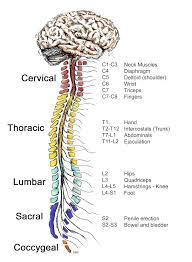
The nervous system function is dependent upon spinal wellness. The spinal chord runs the entire length of the spine via the vertebral foramen. Various nerves extend out from specific openings called intervertebral foramen. Nerve impulse transmission can be severely affected if the structure of the spine is compromised. Compression of afferent / efferent nerves, bulging discs or slipped discs pressing against the nerves. The nerves, if compromised, can have deleterious effects on the overall body.
The movement of the body facilitates fluidity and performance of the spine. Lack of movement causes less moisture to reach the intervertebral disc. Movement supports a good blood supply to our ligaments, muscles, and discs, which is crucial because it carries the nutrients that our back needs 2 The spine links the upper body and lower body for effecting movement. Movement, by consequence, is the pumping mechanism for circulating the various nutrients throughout the body.
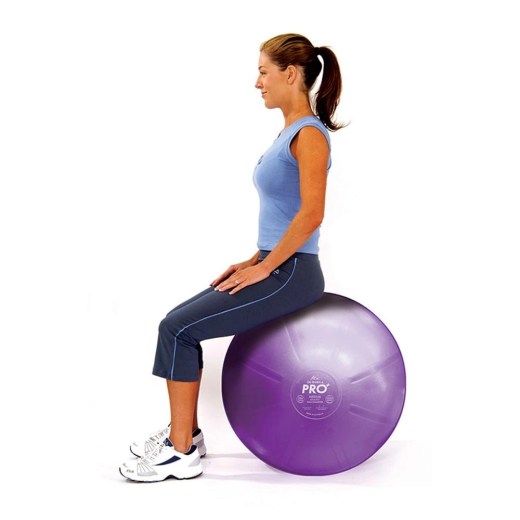
The intrinsic motions of the spine are of major importance and must be engaged regularly. The individual is healthy who engages the spine in totality of movement is promoting overall physical well being. The spine is designed bend forward, extend backward, lean sideways (l and r) and rotate axially (twist l and r). These actions must be carried out, to a full range of motion, on a routine basis. These movements are key to keeping the spine, healthy, supple and resilient.
A healthy body reflects a healthy spine. The actions and mode of living that a person exhibits contribute to spinal well-being. The unaligned, overly challenged spine can negatively impact the nervous system. One major key to spinal health is movement. Enacting the various movements of the spine have positive carryover for total health of the individual.
Next: Spinal Movements – Flexion
 Ab-Sutra Wellness and Fitness