
Pranayama – using the breath to develop energy, to control energy and to extend it throughout the body. The practice involves breathing at different rates and rhythms. This enhances the ability to process the air that provides said energy; it also increases the ability to focus. Traditionally, it is practiced by either lying, standing or sitting. There is a more contested method of practicing pranayama that involves walking. I practice pranayama using both methods, the traditional mode and while walking. For me, each need not cancel the other out: each has it’s own specific benefits.

Breathing is a basic and essential life function. Basically, humans could not survive without breathing. There is an aspect of breathing that goes beyond basic air intake / CO2 expiration. This practice, pranayama, develops the capacity of the body to efficiently extract the life sustaining quality from air. Lungs elasticity is beneficially maintained. Associated muscle structures are strengthened and brought under more conscious control. It also allows for a more thorough displacement of CO2 by fresh air: those deeper parts of the lungs, that are rarely accessed, become more open.
Utilizing different rhythms and rates of breathing brings in different amounts of air. There are methods that bring the lungs to full inhalation capacity and methods that, when practiced, bring the lungs to completely empty. These amounts of air are retained for varying lengths of time. The individual becomes more aware of how the body reacts to different circumstances. The imposed rates and rhythms must be faced in as calm a manner as possible. Thus, the practice of pranayama engenders an overall calming effect on the body and on the mind.

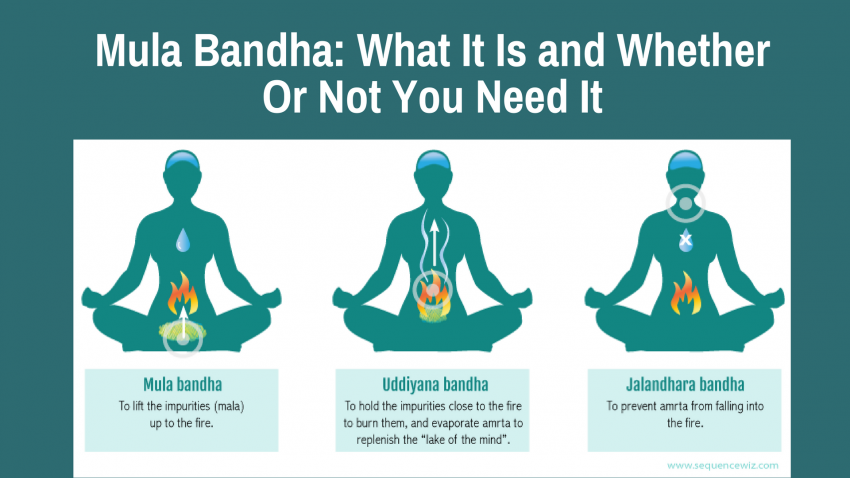
The techniques for practicing pranayama are typically performed in the standing, lying or sitting positions. A couple of standing techniques are agni sara and uddiyhana. Lying pranayama can be extended yoga breathing in savasana or supta viparita karani. Sitting postures can accommodate most pranayama techniques such as nadi shodana / suhk parvak, bhastrika, extended yoga breathing with holds. These techniques along with the associated postures are those most accepted by yoga practitioners. The pervading opinion is that pranayama must be performed in a traditional manner to obtain benefits from the practice. This is true, particularly for the beginning practitioner. Once the fundamentals are understood, one can explore the breath and breathing in different ways.
There is a more advanced form of practicing pranayama. It involves walking. The walking promotes variations of sense withdrawal and concentration. This mode of practice is not so widely accepted. There is the opinion that walking while doing pranayama is distracting. However, do we not breath when we walk. Is not one of the benefits of pranayama practice that of bringing attention to one’s breathing. This is not a beginning format. Pranayama practice must be built up and level of calmness must be established in the traditional modes of practice before this advanced format can be undertaken. Personally, I count steps while sequencing my inhale, hold, exhale, hold and recovery phases. For me the focus comes in because the sequence of steps must be coordinated so that the correct foot is starting / finishing on the correct count.
Alternate Nostril / Walking – My Walking Pranayama Routine
Left foot / right nostril closed to start:
inhale – 12 steps / hold – 12 steps / exhale – 24 steps / hold (with Uddiyhana) – 5 steps
Right foot / left nostril
inhale – 12 steps / hold – 12 steps / exhale – 24 steps / hold (Uddiyhana) – 5 steps
Left foot / right nostril
inhale – 12 steps / hold – 12 steps / exhale – 24 steps / hold (Uddiyhana) – 5 steps
Regular breathing
(inhale – 20 steps / exhale – 20 steps) x 3
This sets up the scenario to begin again with the right foot / left nostril closed to start.
I go through four cycles of starting with the right nostril, starting with the left nostril.
The traditional approach has it’s benefits. Especially at the higher levels / lengths of times of inhaling / holding / exhaling holding. Those higher levels of breath-work could not be done while walking. The ability to be calm and practice pranayama at higher levels is a must. For beginners, the beginning levels can be challenging. To add walking to the process places stresses and challenges on the body. This is where traditional modes are definitely advantageous to pranayama practice.
As is evidenced, walking pranayama is not meant for the beginning practitioner. However, this level of practice can be very calming, very focusing for the advanced practitioner. It provides variety to the regimen. It also allows one to ground to the earth. This method of pranayama may not be agreeable to some. Personally, I find this addition to ‘my practice routine’ very rewarding.
Thank you . . . .
 Ab-Sutra Wellness and Fitness