

Fruit medleys provide an array of health benefits. The variety of fruit combinations can be arranged for specific, desired results. Lately, I have been drawn to combining pomegranate (pith and arils), cranberries and cherries. The cranberries and the pomegranates are more seasonal fruits. The cherries were a little bit out of season but nonetheless utilized. I am truly amazed by what can be gained by consuming a melange of fresh produce.
The body requires a multitude of vitamins, minerals, and fiber for maintaining good health and vigor. One must be tuned into keeping up a regular maintenance regimen for the body. Many choose to languish about until circumstances arise that mandate one giving more meticulous attention to the body. Nature does provide venues for this to be effectively performed. One must put forth the effort to grasp onto and take hold of the abundance found in nature.
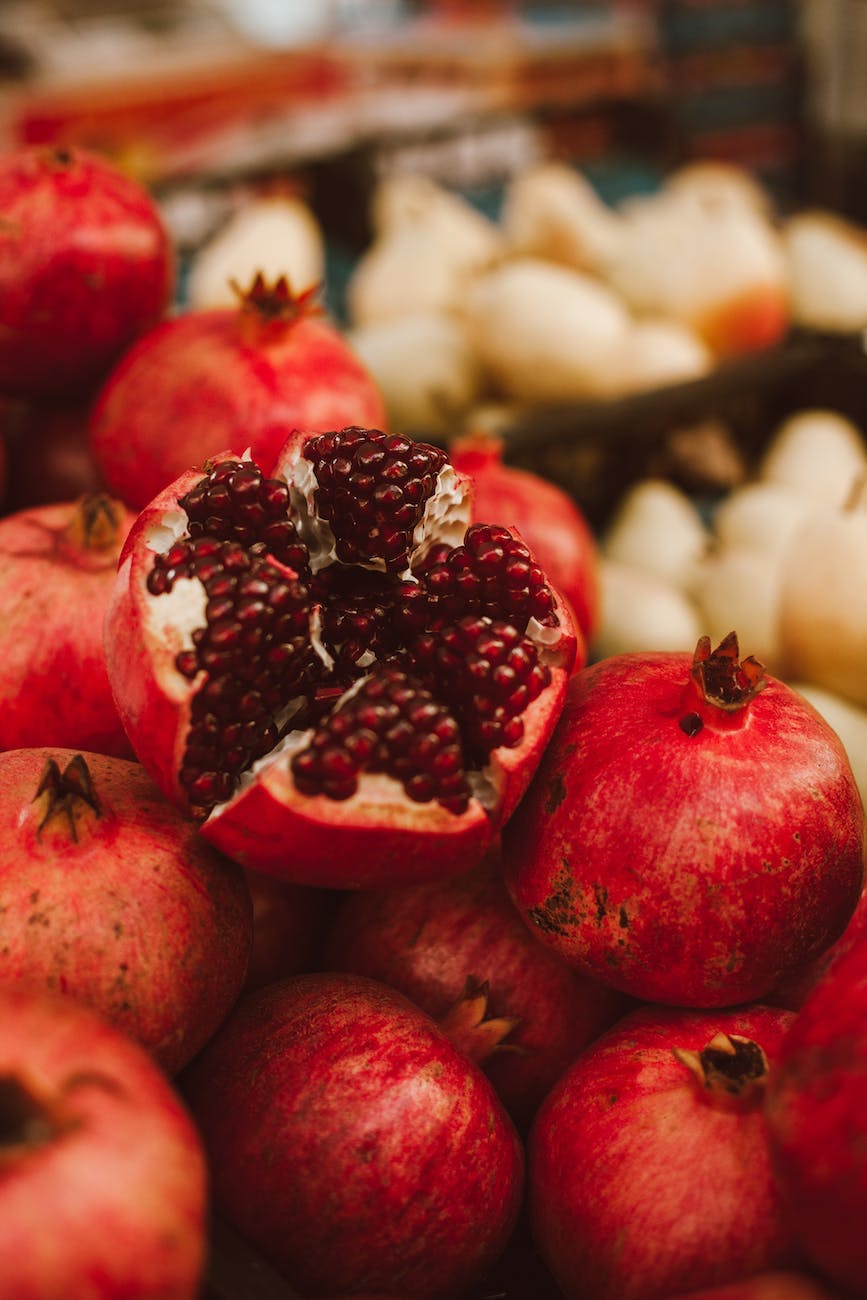
Pomegranates
Are a fruit that contain multi-tiered benefits. Although many choose to extract the juice from the arils, the seeds, and the pith are sources of nutrients, fibers that bolster physical well-being. The pith is a source of beneficial health qualities. It is a good source of antioxidants that scavenge harmful, cell damaging toxins and byproducts. Additionally, polyphenols, which have evidenced inflammation reduction properties, are found therein. Pomegranate seeds are a great source of vitamin K, vitamin C, folate and potassium. Plus, they are also low in calories yet high in heart-healthy fiber.
The benefits provided by pomegranates are Boosting of Memory, Improve Heart Health, Fight Bacterial Infections, Lower Blood Pressure, Helps Fight Cancer, Improves Arthritis and Joint Pain, Natural Aphrodisiac

Cherries
Cherries are always a popular choice for fruit. There are many health benefits that result from cherry consumption. The nutrient profile contains high amounts of vitamin C (25% RDA) and manganese (16% RDA). Beneficial antioxidants can also be obtained within the rich, nutritional melange of cherries. There are two types of cherries: tart and sweet. Sweet cherries contain more sugar and carbohydrate. Sour cherries offer higher concentrations of vitamin A, carotenoids and vitamin C.
Vitamin C acts as an antioxidant and is important for healthy skin, bones, and connective tissue. It also promotes healing and helps the body absorb iron.10 Potassium, a mineral component in cherries, is an electrolyte. It helps to build proteins, build muscle and to facilitate carbohydrate bioavailability. It is also critical for controlling electrical activity of the heart and balancing pH in the body.11
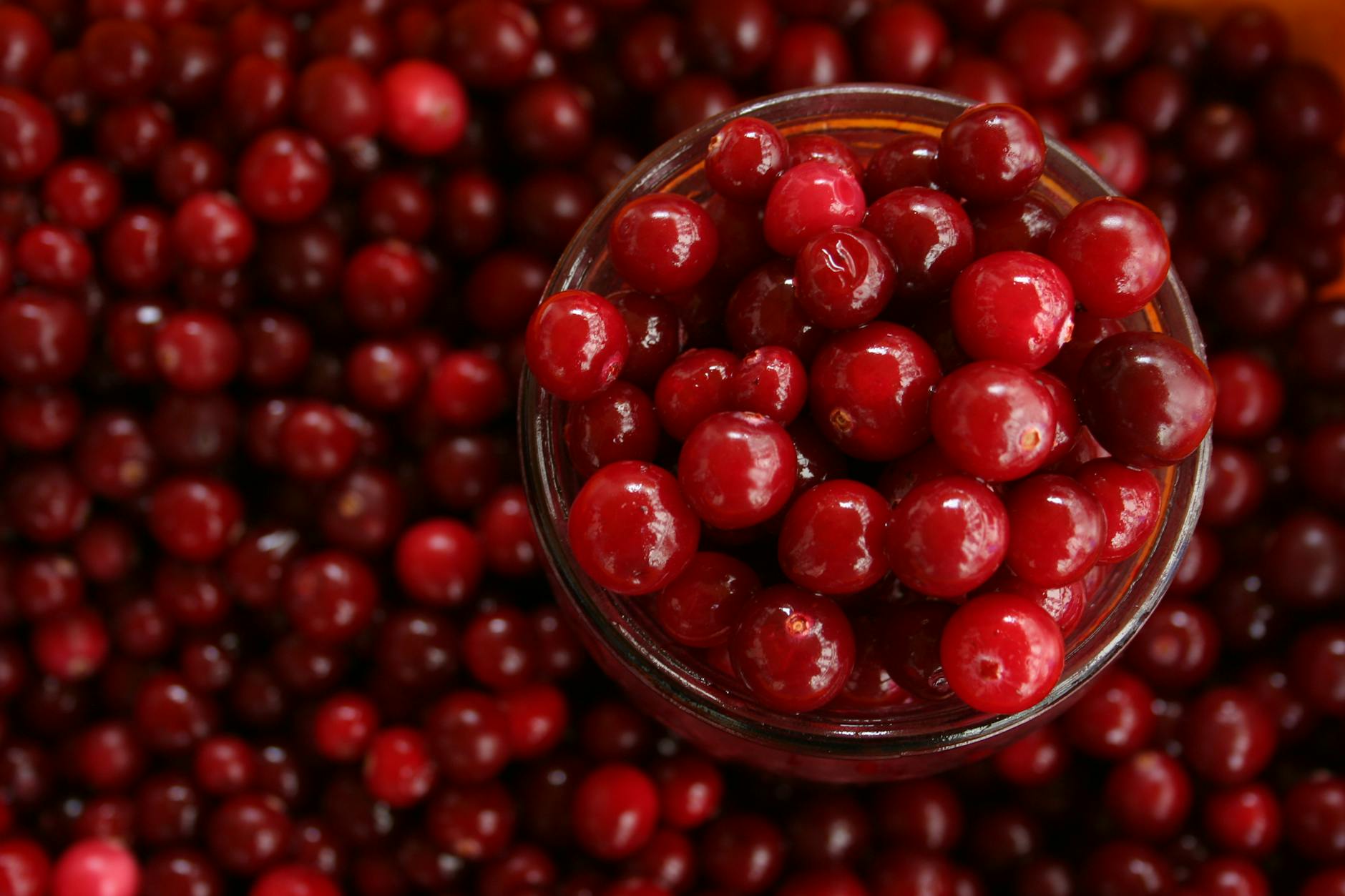
Cranberries
The tartness of cranberries is a harbinger of the healthy punch that they provide. They provide a modicum of calories and sodium. They provide 0 grams of fat, 4 grams each of fiber and sugar, twelve of carbohydrate and one of sugar. the tartness they contain. Cranberries contain a mixture of health bolstering vitamins and minerals. The vitamin profile is 1% each of iron and calcium, 2% of potassium. 7% of copper, 8% each of vitamin E and B-Complex, 15% of vitamin C, 16% of manganese. The antioxidant benefits include heart health, anticancer properties, diabetes abatement, skin health, anti-inflammatory properties.
The combined fiber, macronutrient and (complex) carbohydrate amounts make cranberries a good addition to any medley. They are typically not consumed raw. They are, instead, often consumed in sauces, relishes, pies, and other sweetened recipes. The dried fruit can also be purchased. Cranberry juice is widely available, but the nutrient profile does not approach that of the whole fruit.
This medley is comprised of seasonal fruits. Out-of-season produce may travel hundreds or thousands of miles to reach your local supermarket, which can be less sustainable and more expensive. Fruits and vegetables also lose some nutritional value during transport. “Seasonal produce is allowed to stay on the tree, plant, or vine until it is fully ripened and mature. This nutrient content is compromised when produce has to travel distances. Thus, seasonal fruit consumption facilitates the availability of more natural flavors and higher nutrient content.
Enjoy your fruit. Enjoy your fruit even more when in season.
Nutritional Profiles:
Generally speaking, red fruits and vegetables are packed with vitamin C, vitamin A, potassium and antioxidants. They help fight cancer, inhibit the effects of diabetes and heart disease, improve skin quality, and more . . . . . . .
Pomegranates
A one cup serving (about 174 grams) of pomegranate (seeds and arils) provides approximately the following nutrients:
- 144.4 calories
- 32.6 grams carbohydrates
- 3.0 grams protein
- 2 grams fat
- 7.0 grams fiber
- 28.6 micrograms vitamin K (36 percent DV)
- 17.8 milligrams vitamin C (30 percent DV)
- 66.2 micrograms folate (16 percent DV)
- 0.2 milligrams copper (14 percent DV)
- 410 milligrams potassium (12 percent DV)
- 0.2 milligrams manganese (10 percent DV)
Pomegranates Boost Memory, Improve Heart Health, Fight Bacterial Infections, Lower Blood Pressure, Help Fight Cancer, Improve Arthritis and Joint Pain, and are a Natural Aphrodisiac
Cherries
One cup of sweet, raw cherries without pits provides:8
- Calories: 97
- Fat: 0.31g
- Carbohydrates: 24.6g
- Fiber: 3.23g
- Protein: 1.63g
- Vitamin C: 10.8mg, 11% of the daily value
- Potassium: 342mg, 7% of the daily value
Fresh sour cherries are more difficult to find, but one cup of these fresh cherries without pits provides:9
- Calories: 77.5
- Fat: 0.47g
- Carbohydrates: 18.9g
- Fiber: 2.48g
- Protein: 1.55g
- Vitamin C: 15.5mg, 17% of the daily value
- Potassium: 268mg, 6% of the daily value
Significant amounts of important nutrients include antioxidants (such as vitamin C and polyphenols), amino acids (such as tryptophans), hormones (such as serotonin and melatonin). Minerals including iron, potassium. Cherries can also help to reduce inflammation, reduce joint pain, aid in exercise recovery and improve sleep.
Cranberries
A cup of raw cranberries contains:
- 46 calories
- 0 grams of fat
- 12 grams of carbohydrates
- 4 grams of fiber
- 4 grams of sugar
- 1 gram of protein
- 2 milligrams of sodium
For vitamins and nutrients, one cup of raw fruit has:
- 25% of your daily requirement of vitamin C
- About 9% of your daily requirement of vitamin A
- About 6% of your daily requirement of vitamin K
- 2% of your daily requirement of potassium
- 1% of your daily requirement of iron and calcium
- 8% of your daily requirement of vitamin E
- 16% of your daily requirement of manganese
- 7% of your daily requirement of copper
- 8% of your daily requirement of B-complex vitamins
Cranberries also provide these antioxidants:
Quercetin, Myricetin, Peonidin, Ursolic acid, A-type proanthocyanidins
An epiphany blossomed within me during one of my ‘supermarket’ excursions. I spend most of my time in the produce section. The cranberries were on the display as I walked into the section of the store. I had been buying and eating the pomegranates at that time and there were some available. As I perused the section, I noticed that cherries, although late in the season, were also on the shelf. It was then that I suddenly had the notion to combine these three fruits. The combination of flavors were elicited a lingual response of a sweet and sour dance. The cranberries were (more than) balanced out by the cherries and the pomegranates. The mixture has been and was most enjoyable. Yet, the temporality of this experience gives me pause reflect upon and really absorb the combination of flavors and the healthful benefits that this mixture bestows.
bbbbbbb I know that
 Ab-Sutra Wellness and Fitness