

The benefits of meditation can be denuded due to the incidence of drowsiness. People who meditate do occasionally experience varying degrees of sleepiness. Basically, inadequate rest lends to poor posture and shallow breathing when meditating. An inactive sitting posture is compromises the bodily faculties that support attentiveness. Without adequate rest, the likelihood of sleeping while attempting to meditate is a certainty. Sleep is an all important denominator for all activities. One method for overcoming this scenario requires focusing on spinal length and internal (body) lift. Bringing awareness to the body can help to mitigate any tendency to doze. Although one should strive to achieve adequate rest, this method will assist with staying alert(?) during meditation. This method has empowered my meditative efforts such that sitting is minimally challenging even after working a 12 hour night shift.

Meditation can be beneficial for the individual in many life areas. It positively influences the nervous system. Specifically, the parasympathetic nervous system is stimulated. Reactionary responses are minimized, resulting from the body and mind becoming less reactionary. Breath awareness increases. Breath awareness in linked to being in, cognizant of, the present moment. Memory improves memory as regular meditation has been evidenced to increase memory and mental clarity. These benefits can help fight age-related memory loss and dementia. In spite of the these and other benefits, some people (do) become drowsy during meditation.
Lack of sleep is the overall culprit of the drowsiness during meditation. Drowsiness, due to fatigue, gives rise to a series of bodily effects that (can) result in sleeping. Compromised posture results from drowsiness. Passive sitting is a daily routine of sitting in a poor posture; which obstructs the ability to effectively utilize the bodily support structures. Spinal resiliency and capacity are compromised, in addition to essential joints, muscles, and other soft tissues. Without proper spinal support, lethargy takes hold in the body and mind. Breathing more and more becomes shallow. Sitting in meditation while fatigued displays similitudes to passive sitting. The possibility of sleep may eventually become real.
There are techniques, spinal lengthening and inner body lift, that, when activated, energized the whole of the body. For one, the (nerves of the) cervical spine leading to and from the brain through the central nervous system. We can stimulate this complex of nerves by consciously lengthening the area. Specifically, the medulla oblongata, located in the cervical spine area, transmits between the spinal cord and the higher parts of the brain; it also controls autonomic functions such as heartbeat and respiration. Inner body lift is a subtle application of uddiyana. This is a technique that sends energies upward and throughout the body. It can be correspondingly adjusted to provide the ‘as needed amount’ of stimulation. Combining these two techniques to overcome drowsiness will require some degree of fine tuning; the capacity to overcome drowsiness will indeed be developed from consistent efforts.
In Zen Meditation circles, some students give permission to be motivated in case of undue drowsiness or lack of focus. The priesthood is summarily obliged to ‘strike’ the upper back / shoulder area of the practitioner. Firstly, sitters may request blows on the shoulders by raising the hands in gassho as the hall monitor passes with the stick; such requests are typically motivated by pain (a blow to the shoulders can take your mind off how much your legs hurt) or by drowsiness (it can help wake you up). Secondarily, the monitor may observe a sitter nodding off, slumping, or squirming from pain; in such cases, the offender’s shoulders are tapped with the stick to indicate that he or she should “request” attention. The nervous system of the practitioner is summarily ‘jolted into the present moment’. This action can be repeated until the practitioner exhibits a ‘continuous degree’ of correct attentiveness and alertness.
The practitioner can, with diligent effort and focus, overcome their drowsiness by giving the utmost of attentive focus to spinal (cervical) length and energetic upflow during seated meditation. Adequate rest before meditation would be ideal. Yet, societal demands lead to temporal compromise, oft resulting in reduced time for necessities such as rest or proper nutrition. This technique is not a replacement for lack of sleep. It is a temporary remedy, at best, to be utilized sparingly. Meditation is beneficial to body, mind, and spirit. Those benefits are fully available to the individual who can maintain sufficient focus. Meditation is not ‘nap time’. It is engaged in to develop the unification of body, mind and spirit.
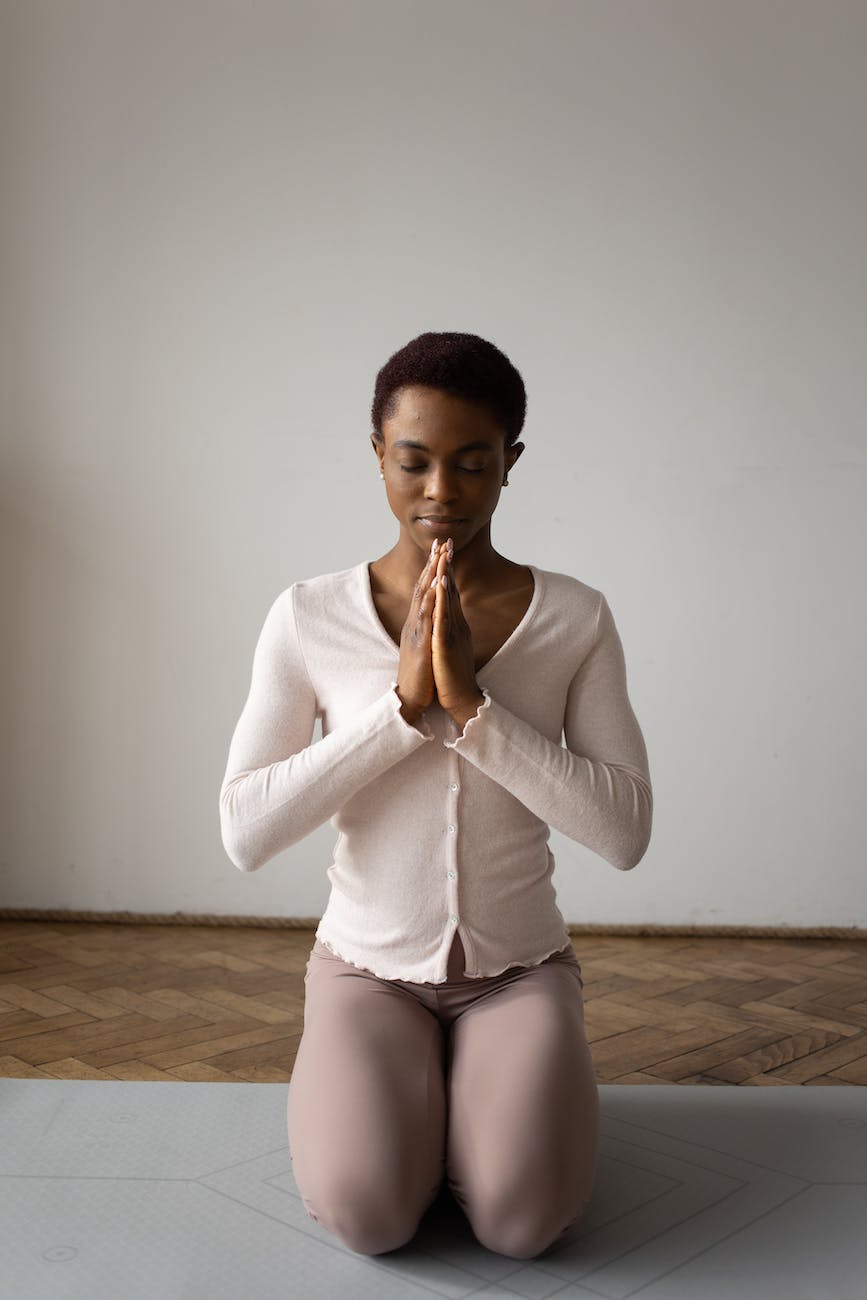
Fatigue resulting from lack of sleep can compromise the positive effects of meditation. Adequate rest is a requirement for overall optimal function, even for alertness during meditation. There are methods that can enhance alertness when drowsiness is hindering a meditation session. Attaining adequate rest is the goal but, for brief periods of time, it can be put aside.
 Ab-Sutra Wellness and Fitness