

As with driving, cycling requires that some adjustments be made to account for age. A survey on older adults that bicycle offers insights into how older cyclists adapt their habits to stay safe. Cycling during daylight hours and incorporating enhanced safety features offers a certainty for adequate visibility. Taking up group cycling is a way to become more comfortable with bicycling on the road. Personal responsibility will facilitate riding in ways that limit exposure to unbalanced safety scenarios.
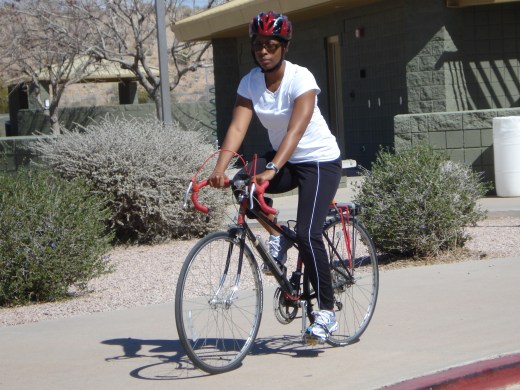
The aging process exacts a toll on a person. Capacity to Capability begin to wane with the onset of age. Capability to act independently begins to diminish. This occurs imperceptibly, at first. Slight inconsistencies show up when performing usual processes Capacity, when one is not engaging their abilities, decreases noticeably. You cannot lift as much, bicycle as intensely, or swim as powerfully. These are indicators that, perhaps, some adjustments may be in order. As long as the person can perform independently, any intervention enacted can be in accordance with the displayed ability.
The 50+ Cycling Survey paints a promising picture of the future of cycling for older adults. As more communities embrace bike-friendly infrastructure and its benefits and the range of bicycles available allow older cyclists to adapt — whether by switching to a tandem, a trike, or an e-bike — we can expect to see an increasing number of older adults taking to the streets and trails. Yet, this increase in bicyclist could set up a calamitous situation.

For instance, many respondents choose to avoid cycling at night or in bad weather. They stick to quieter roads or bike paths to reduce the risks associated with high-traffic areas. Some older cyclists use radar detection systems or louder horns to stay aware of their surroundings, while others have switched to step-through frames or a trike for added stability. These are excellent measures to enact to minimize any potential adverse encounter with `traffic’.
One Year 4 survey respondent said she was cycling more because “… I attended a road biking class and feel more confident to join hillier and longer rides.” These small changes allow older adults to continue cycling safely while accommodating the physical challenges that come with aging. More information on how older cyclists can make small changes to keep cycling is available in this article.
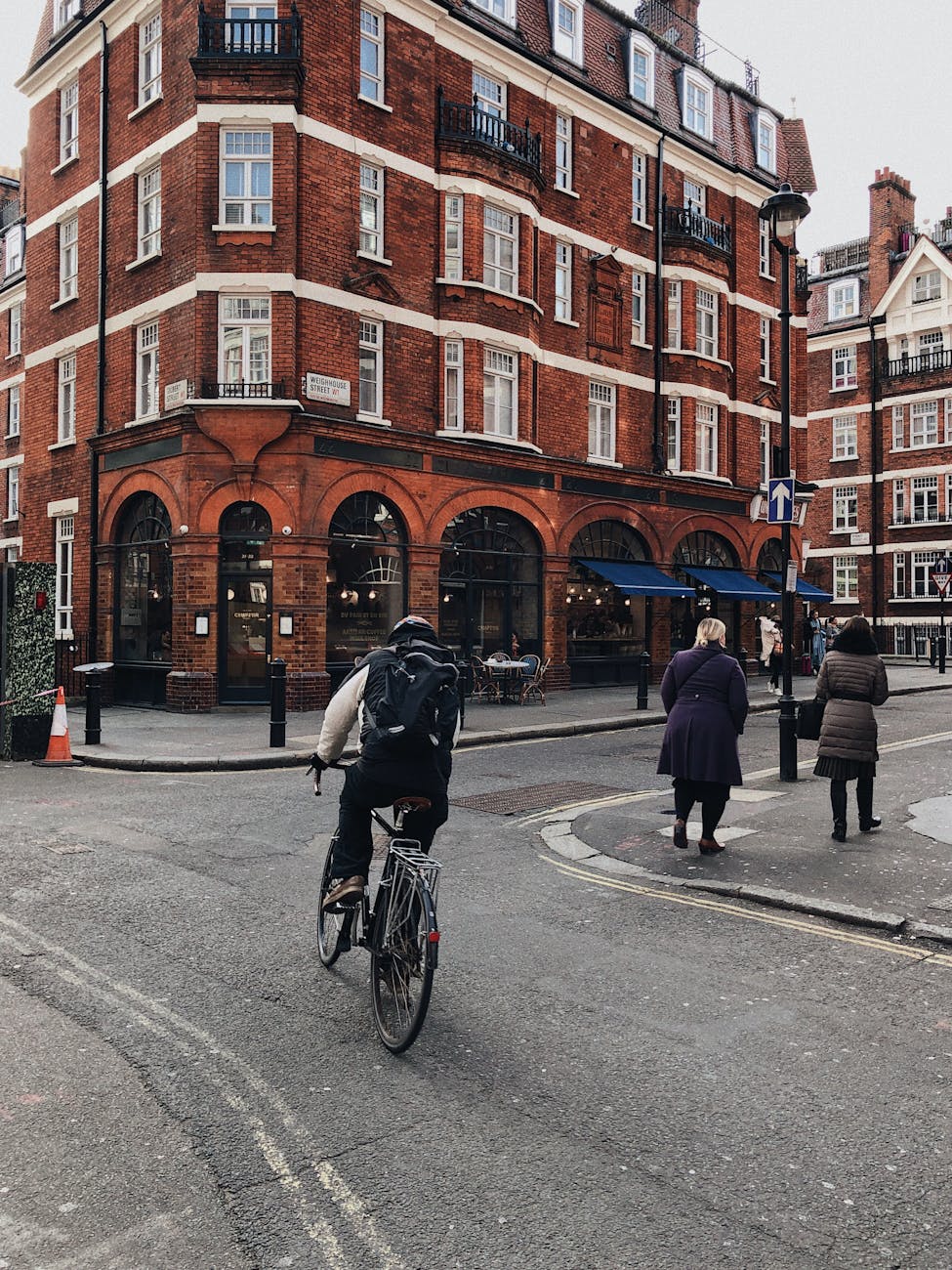
On a personal note, I find that safety is critically important. The attitude that some drivers have regarding bicycles is a clear sign that self preservations should always be front and center. Even when a bicyclist has the right of way, some drivers become indignant that a bicyclist would dare assert the right to be on the road. i find myself gravitating toward safer venues for riding in the street and I do still ride in the street. I do not heal as well as would a young person. Additionally, 300 lbs @ 12 mph vs 2000+ lbs @ 30+= mph is not a prescription for longevity.
We are humans. As with all life upon this planet, we come into existence, live, and the die . . . that is the gist of it. We can choose to let life and time wear us down or we can work toward maintaining functionality as we age. Cycling in adverse (weather) conditions can be daunting to the aging person. Group setting can, of course, empower a person to get out there and do it. An experienced street bicyclist will look for less dangerous way to navigate the roadways. We want to take advantage of the benefits of bicycling without encountering undue threatening situations.
 Ab-Sutra Wellness and Fitness