

Physical Rehabilitation Exercises (Rehabilitation Movement) are beneficial for improving and maintaining functionality during post injury recovery or age related attenuation of physical capability. Physical operations are often prescribed when situations are near to completely irreversible. Age brings with it the older body in the displaying of wear and tear over the years. The effectiveness of a physical rehabilitation program is determined by the degree of consistency to which it is adhered. Some programs are designed to be short lived, while others require a longer term of commitment.

The designed movement of the body need not be deterred by injury or age. People begin to decrease the amount of physical activity as they age. This phenomenon is ingrained into society in ways most subtle. Different avenues of advertisement promote that deterioration is a consequence of aging. Yet, studies show that movement is key to sustaining mobility and enhancing longevity. Movement, to any degree, will help the individual to function, as complications permit.
Treating severe musculoskeletal traumas with surgery requires the use physical therapies. The body must sometimes relearn how to move. Injuries are often remedied through surgery. That is not always the only recourse, depending upon the severity of the injury. The use of physical therapies, without surgery, can be a better alternative, provided that one commit to the program. Surgery takes away from the physiological constitution of the body. That is to say, things are typically cut away in a surgical procedure. The medical professional should always be queried about the necessity of surgery.

The structure of the body machine requires appropriate maintenance with the passage of time. With age comes a lessening of the ability ‘to do things’. One cannot exert themselves with the intensity of that they exhibited during their younger days. This is not a bad thing. The aging body is in the ‘decreased springing capacity’ stage. Along with age comes the incurrence of musculoskeletal trauma. The individual should not stop moving. Movement is a requirement of living in and sustaining the body in the 3D realm of existence.
A physical rehab program can only be as effective as the given amount of applied consistency. The human, if they are active throughout their life, will incur injuries, be they small or great, to their physical structure. Injuries (strains, tears, or various compromises) need to be addressed. Physical therapy, in varying intensities, will enable the person to bring that part of the body back to a functional level.
The extent of the malady will impact the amount of time needed for the program to produce effective results. It is important that the individual adhere to a regularity in carrying out the program as prescribed by the specialist. The musculoskeletal structures of concern will recover more completely when the exercises are completed on a consistent basis. The exercises may need to be revisited, at a reduced level, even after function has been restored. The body, typically, may not fully recover from an injury. A regular schedule for repeating the exercises is key to maintaining continual functionality.
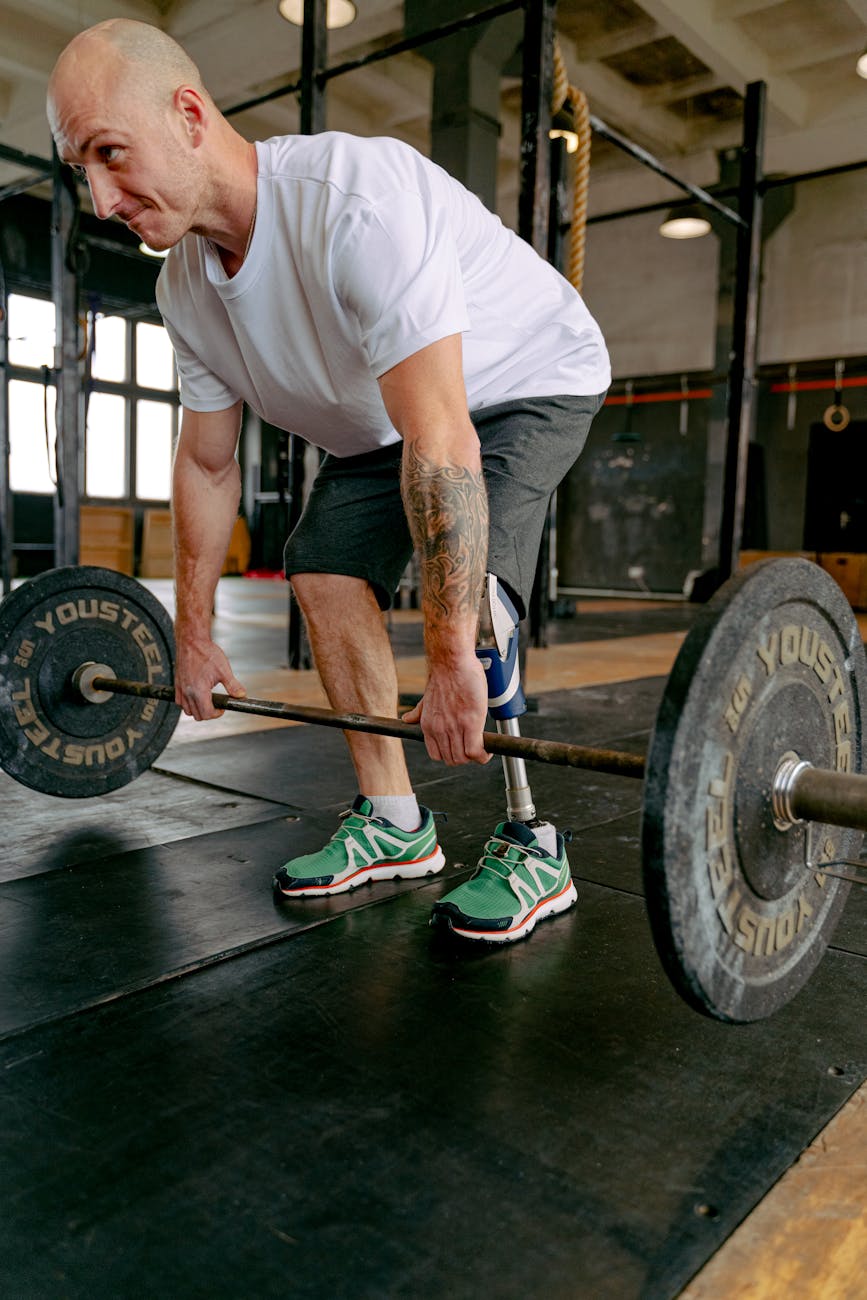
Being active is a commitment; the body must move to maintain functionality. a person may have to undergo an operational procedure to maintain or regain some degree of function. Aging does place challenges on the body and they typically become more prominent as time continues to pass. There are situations where operations are mandated for the individual to be functional, this is not always the case. Post recovery from operations or dealing with age related, activity complications can usually be addressed through consistent completion of prescribed, physical therapy exercises.
For older adults performing rehabilitation activities, exercise focus should encompass a combination of strength training, aerobic exercises, flexibility and balance exercises to promote functional independence and prevent falls.
 Ab-Sutra Wellness and Fitness