
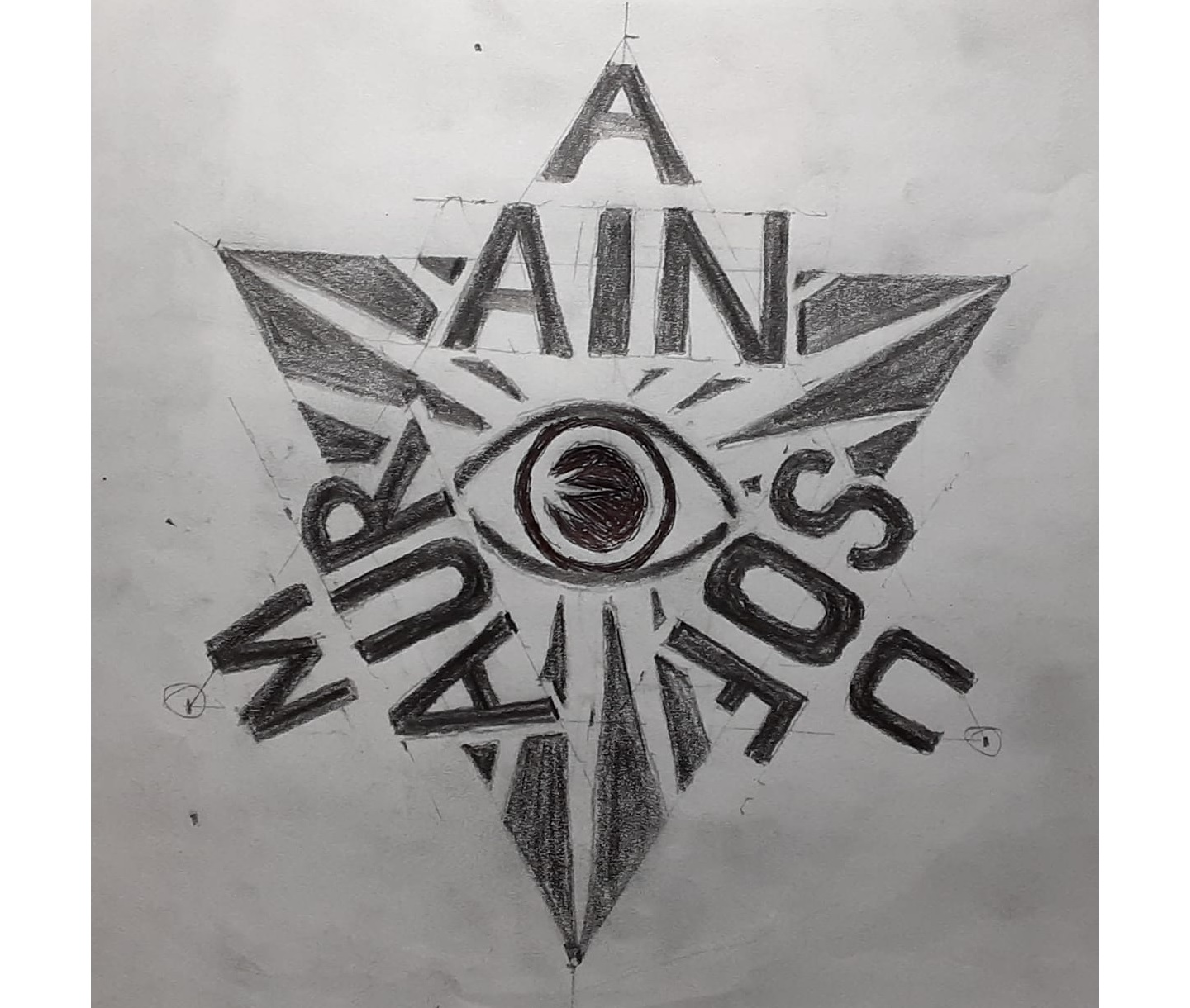
The overall result of chanting the A-U-M mantra is to pierce through the perceptions of separation. Temporality obscures the connection to the substantiality of (the) ‘Samadhi’ (nothingness). We cling to reality as it is perceived through the five (six) senses, we abide in temporality. Samadhi is the state where illusions cannot exist. Our true essence derives from the vastness that escapes, nay, defies conceptualization; it is a force, an energy that comprises everything. Piercing the veil of materiality reveals that all is temporal. Samadhi is where the individual dissolves into the infinite expanse of pure awareness, experiencing union with the cosmic consciousness that permeates all existence. It is this clarity that provides one with the capacity to ‘see’ through to the vastness of the substantiality of nothingness.
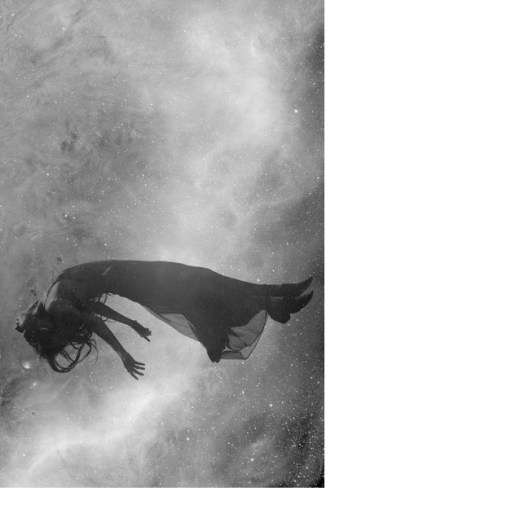
The body-mind complex functions as a barrier that clouds states of perception. People readily attach to items that are easily perceived. This is the function of the five senses. The senses glamourize third dimension, mundane reality. One would basically stumble about were it not for the five senses (six senses in Buddhist Canon). Chanting A-U-M allows for the development of improved clarity and better focus. Many people are comfortable in the awakening, dreaming, and unconsciousness states. Many people are born into, function within, and, eventually, die while having existed in those three states. These states facilitate day to day functioning in third dimensional reality. Yet, A-U-M mantra reveals to the individual that those states a transitory. It allows the individual to experience a state that is beyond sense perception.
The senses function within the realm of familiarity and solidity. From birth to death we are trained to function within the domain of the senses. We are socialized to give credence to all that they transmit to us. Smells, Tastes, Sounds, Sights, and Tactility . . . these sensations are that to which we become accustomed. We attach to the reality that is presented via the senses. The capacity to distinguish between favorable and unfavorable is based upon sense input. The mind is the distinguishing element (the sixth sense in Buddhist canon). Liking a thing is based on preferences that are veils of separation on the mundane level. We familiarize ourselves with matter in a solid form. It is thus easier to differentiate and choose betwixt things.

Perception of solidity is an incomplete substitute for that which is forever. Permanence does not reside in solidity. From a human standpoint, because we cannot immediately observe the breakdown of the underlying structure, most of what is taken in visually or tactilely (mostly) is deemed to be permanent. This perception of permanence gives the individual a feeling of stability. Yet, this very sense of stability is based on impermanence. Being socialized to accept temporality as permanence is how society remains enmeshed within the mundane milieu. When things for example, wear out, we simply replace them. In doing so we perpetuate this similitude of permanence. At the core, however, nothing really exist; nothing except emptiness and vibration. Emptiness is the permanence of which the multitudes are ignorant.
A-U-M is a technology for discovery through unification. Th e A is for the awakening state is part is the conscious mind. Many are conscious only to the degree that is necessary for survival. The U is for the active unconscious or dream state. Many people are comfortable at this point and do not want to be disturbed. Many people have trouble even remembering their dreams. M is for the latent unconscious or deep sleep state. This state is important for repair of the body. The chant is a device to bring these parts into a harmonized whole. The A (self) is not aligned with the U (Not-self) but they are unified through the M (the dissolution of not-self / self leading to transcendence). The chanting allows the piercing of the veil of illusion (maya). Samadhi can be more readily comprehended at the point.
The space that exists beyond sense perception is without limit or direction. This space is not what many can conceptualize, nor do they strive for that experience. The many have not resolved there attachment to the senses. Thus, they remain grounded in what is sense wise conveyed to them. This space beyond sense perception is the stillness that is alluded to in the KJV bible verse Psalms 46:10 Be still, and know that I am God: I will be exalted among the heathen, I will be exalted in the earth. It is the first part of the verse that is of import for the spiritual seeker. To be still and know that I am (a) god. We are each gods of our own universe. We come into the knowledge of controlling and directed those forces within our universe by coming into the still space.

Nothingness is Samadhi . . . . . it is spaciousness. It is the pool from which all potentiality emanates. The chaos is not a confusing, non-directed energetic space. Chaos is the blank canvas, the nothingness, which can be drawn from and folded into forms that give rise to variations of materiality. Yet, the chaos remains unchanged. Samadhi is one of the higher states of mental concentration that can be achieved. Although still bound to the body, achieving the absorptive contemplation of samadhi unites the individual with the Absolute. The Absolute that is undisturbed by desire, anger, or any other ego-generated thought or emotion. One aspect of this is the absolute, abstract infinite space which is defined as the infinite potential that exist before anything (becomes) manifest. This absolute space evolves from the pool of the nothingness (the unadultered, undivided, unqualified nothingness before anything existed)
One can realize that cosmic unity exists within the vast insubstantiality of nothingness. Samadhi, Shunyata (Emptiness) and AIN (Nothingness) resonate with the same profound truth—the recognition of the fundamental unity and emptiness of all existence. They are signposts along the pathless path, guiding the seeker to rend the Veil of Maya (Illusion), thereby discovering the ultimate realization of oneness with the cosmos. In their embrace, the seeker finds liberation from the shackles of the ego and glimpses the boundless expanse of the ineffable.
 Ab-Sutra Wellness and Fitness