

An older active adult may be required to adjust personal, individual training methodologies. Injury involving compromised joint functionality may limit activity. Methodologies that do not involve imposition of stressful forces are more amenable to exercising. Training at competition level intensity may not be necessary for the (average) individual seeking to maintain a modicum of health. The older individual must take physical challenges into consideration when participating in exercise related activities.
Hip osteoarthritis precludes participation in certain activities. However, the prevalence of hip osteoarthritis does not have to be a deterrent to an active lifestyle. It is, in fact, better to maintain consistency in some degree of activity. Activities that maintain flexibility, muscle strength, and coordination help to maintain joint function in joints that have already been injured and in which arthritic changes have developed or are developing. There are modifications that must be made based on the challenges of engaging in exercise while dealing with hip osteoarthritis. Activity is possible under the auspices of the individual intelligently monitoring and handling those joint limitations.
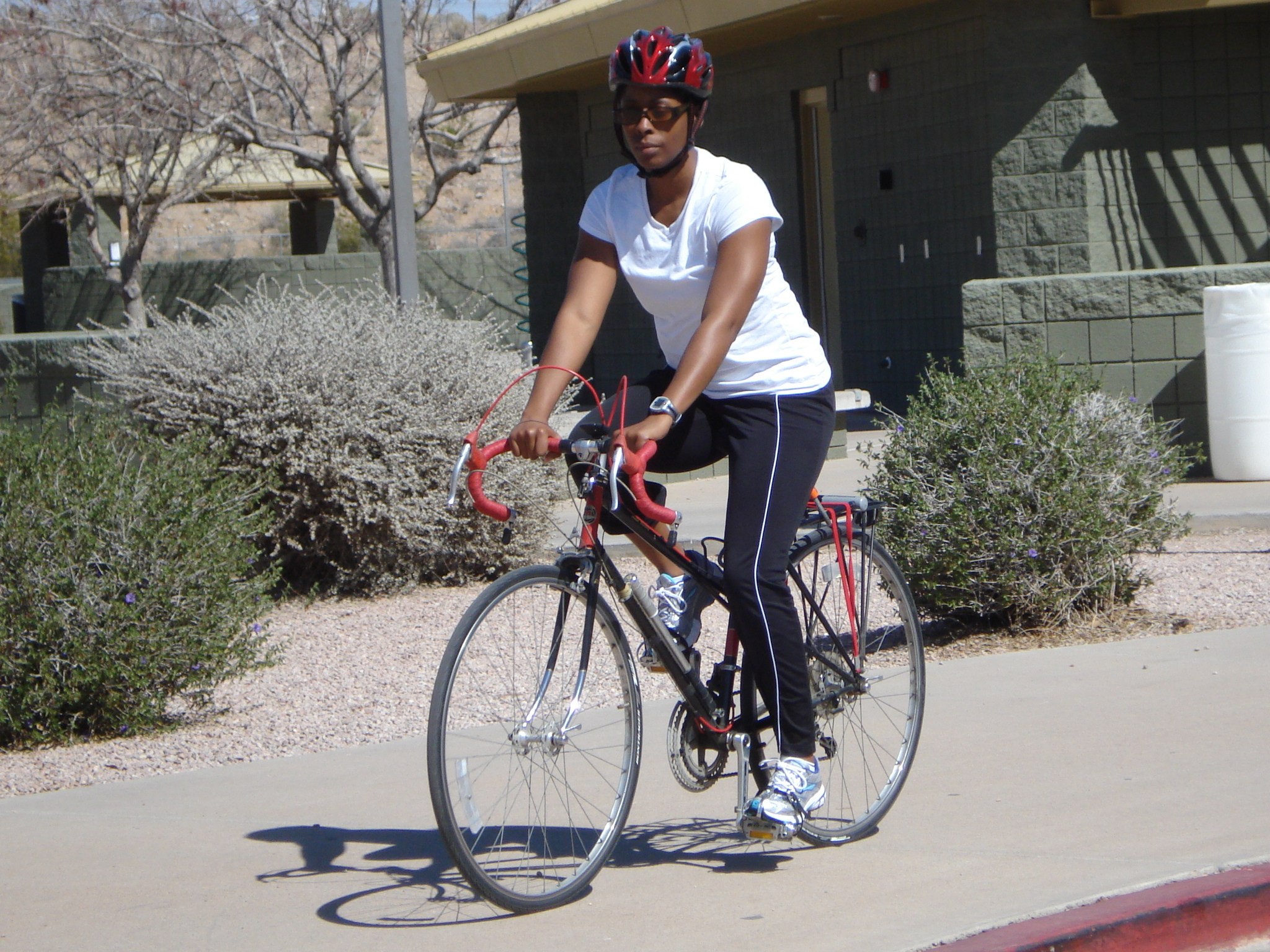
The Long Slow Distance (LSD) modality allows for sustained activity with minimal discomfort. LSD is typically a lower impact aerobic exercise (walking, elliptical training, and cycling) and may help improve joint mobility and movement in people with hip arthritis. Also, balance, strength and flexibility must also be addressed. Combining these former modalities with LSD can provide to the individual a well rounded fitness regimen. LSD provides aerobic benefits and, for more physically capable individuals, can be an adjunct to more intensity focused programs.

Competition level training is necessary to compete, yet most people need to simply move. LSD training can be part of an overall competition level regimen. ‘Athletes’ by necessity must tax their physiological capabilities to maximal levels to achieve that ‘edge’. Most people, conversely just need to get some type of regular movement into their routine. This is particularly true for individuals with hip osteoarthritis. The hip will undergo restrictions in strength, range of motion, and overall function in an environment devoid of activity. Some activities, like those with jarring motion or on uneven terrain must be avoided. Also, those involving high impact, improper lifting mechanics or prolonged standing must also be attenuated. Yet, the health of the joint depends on continuance of activity.

All terrestrial beings exist in an environment that demands existence sustaining movement. Modern society has evolved to a point of movement minimization. The attaining of movement does not have to involve high intensity activity. Slower movements done over time can be beneficial to health and wellness. Maladies that effect joint functionality are limiting to gross capability. Specifically, Hip Osteoarthritis is facilitatory of compromised movement and (sometimes painful) discomfort. Nonetheless, movement is necessary to sustain joint function. The proper adjustments must be made, in light of joint maladies, so the one can mobile to the best degree possible.
 Ab-Sutra Wellness and Fitness